 English


- Chinese Herbal Prescriptions For Itchy Eyes
- Herbal Washing and Topical Remedies For Itchy Eyes
- Acupuncture Therapy For Itchy Eyes
- Chinese Healthy Tips For Itchy Eyes
Itchy eyes are a very common symptom seen in clinical practice. People with conditions such as conjunctivitis, dry eye syndrome, and blepharitis (stye-related eyelid inflammation) often experience itching of the eyes. If eye itching occurs frequently or persists, an allergic reaction affecting the conjunctiva (allergic conjunctivitis) should be considered as a possible cause.

Structures of the eyes
When itchy eyes occur mainly during specific seasons, such as spring or autumn, and tend to recur year after year, the condition is known as seasonal allergic conjunctivitis. The most common triggers are airborne pollen released during these seasons. If itchy eyes occur throughout the year, the condition is referred to as perennial allergic conjunctivitis, which is usually associated with long-term exposure to indoor allergens such as dust mites, molds, and animal dander (skin flakes, fur, or feathers). Some individuals may also develop allergic conjunctivitis in response to other substances, including contact lens solutions, cosmetics, smoke, eye creams, and other personal care products. Many patients with allergic conjunctivitis also experience other allergic symptoms, such as nasal congestion, a runny nose, and frequent sneezing, which are all part of the body’s allergic response to environmental allergens.
In general, allergic conjunctivitis is an inflammation of the conjunctiva, the thin membrane covering the white part of the eye and the inner surface of the eyelids, caused by exposure to allergens. Itchy eyes are the hallmark symptom, and identifying and avoiding triggering allergens is an important part of managing the condition.
Avoid rubbing your eyes. Although it may provide temporary relief, rubbing can further irritate the eyes and may introduce dirt, bacteria, or allergens from your hands into the eyes, potentially worsening the symptoms. Many eye care products available at pharmacies and personal care stores can provide temporary relief. However, the most important step is to identify the allergens responsible for the reaction and avoid further exposure whenever possible. If necessary, consult a professional for advice on the most appropriate preventive measures and eye care strategies.
Allergic eye conditions tend to recur. If self-care measures are insufficient to control the symptoms, professional treatment should be sought to relieve itching and other discomforts. Traditional Chinese Medicine (TCM) can also be considered as one of the options for the prevention and management of allergic conjunctivitis.
From a TCM holistic view, the eyes are closely linked to the body’s internal organs through the meridian system. Healthy organ function ensures that sufficient qi (vital energy), blood, and essence are delivered to the eyes, allowing them to function properly and maintain clear vision. When the internal organs are out of balance, the flow of qi and nourishment to the eyes may be disrupted, increasing the risk of eye problems. Therefore, TCM views eye diseases not only as local disorders of the eyes but also as reflections of overall health of the body.
To identify the underlying cause of an eye condition, TCM physicians will examine different areas of the eyes. A unique diagnostic system, known as Five-Wheel Syndrome Differentiation, helps determine which internal organs may be affected and guides treatment accordingly.

The Five-wheel diagnosis of TCM
| TCM Names | Eye Regions | Corresponding organ systems | |
| 1 | Flesh wheel | Eye lids | Spleen (spleen dominates muscles) |
| 2 | Blood wheel | Skin fold in the inner angle of eyes | Heart (heart dominates blood) |
| 3 | Qi wheel | White part of eyeballs | Lung (Lung dominates qi) |
| 4 | Wind wheel | Black part of eyeballs | Liver (Liver dominates wind) |
| 5 | Water wheel | Pupils of the eyes | Kidney (kidney dominates water) |
By understanding the connections between different parts of the eyes and the internal organs, TCM physicians can gain insights into the underlying causes of an eye problem. The findings are then combined with other diagnostic approaches to provide a comprehensive evaluation and guide individualized treatment.
Chinese Herbal Prescriptions For Itchy Eyes
In TCM understanding, allergic conjunctivitis is regarded as a “qi wheel problem” of the eyes that may develop in the following ways:
- Protective qi of lungs is weak that leads to external wind and heat pathogens attacking the eyes.
- Stomach and spleen dysfunctions that lead to damp-heat accumulation internally. Meanwhile external wind pathogens take advantage to attack the eyes and trigger the itchy symptom.
- Liver blood insufficiency that generates wind pathogen internally to attack the eyes.

Daily prevention is essential for people with itchy eyes.
TCM believes that allergic conjunctivitis is closely related to an individual’s constitution, while environmental allergens are the main triggers. Because it is difficult to completely avoid these allergens, itchy eyes often recur. Early treatment at the onset of symptoms can help relieve discomfort and prevent the condition from worsening.
TCM treatment aims not only to relieve itching but also to address the underlying imbalance. Therapies that dispel wind and relieve itching, including both oral and topical remedies, are commonly used to ease symptoms. Preventive treatment during symptom-free periods may also help reduce the frequency and severity of future flare-ups.
To determine the most appropriate treatment, TCM practitioners consider the patient’s symptoms, medical history, diet, lifestyle, and overall constitution. Based on this assessment, individualized herbal remedies may be prescribed. Common TCM patterns associated with itchy eyes and their corresponding herbal treatments are outlined below.
Wind-heat attacking eyes
Severe itchy eyes that accompany with gritty, burning or slight painful sensations, the inner eyelids have sandpaper-like rash, and there are also red eyes, weeping, sticky mucous production and possibly blurred vision. The symptoms are worse in windy, shiny and hot environments. The tongue is red with thin coating, and the pulse is rapid.
TCM remedy will aim to disperse wind, clear heat, activate blood and resolve stagnation.
Sample of prescription: modified Quick Wind Dispersing Powder
Damp-heat in qi wheel
The eyes are itchy and gritty, and have excessive tear and mucus, and the inner eyelids appear sandpaper-like rash. There are also red eyes, blurred vision, scanty hot urination, red tongue with yellow greasy coating, and the pulse is rolling and rapid.
TCM remedy will aim to clear heat, dispel dampness, disperse wind and stop itching.
Sample of prescription: modified Ledebouriella Powder to Unblock the Superficial
Blood deficiency and wind attacking
The eye Itching is mild and intermittent, slightly blood-shot or no visible changes in the eyes. Individuals may also have pale nails, dream-disturbed sleep, a pale tongue, and taut and thready pulse.
TCM remedy will aim to nourish blood, extinguish wind and stop itching.
Sample of prescription: Four-substance Decoction plus ledebouriella root, Dahurian angelica root, silkworm, caltrop fruit, and centipede
 Gardenia fruit |
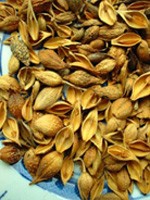 Weeping forsythia capsule |
 Chinese gentian root |
Herbal Washing and Topical Remedies For Itchy Eyes
For itchy eyes, it is popular for TCM physicians to use external remedies to treat the eye problems. Herbal remedies that applied in the forms of eye drop, powder, wash or dressing, can unblock meridian collaterals, soothe redness and swelling, arrest weeping and stop itching.
(I) Eye washing and steaming
The above anti-itch prescriptions are usually provided for oral intakes, however they can

Ledebouriella root
also be used for eye wash or cold compression, so as to soothe the irritated eyes and flush out allergens during attacks. After taking the herbal decoction internally, the remaining herbs (herbal dregs) can be reboiled to prepare a solution for eye steaming and washing. Some other prescriptions for this propose are below:
- Ledebouriella root, Chinese gentian root, Manchurian wildginger and liquorice root, for 15g each.
- Ledebouriella root, sopora root, dictamnus root bark, Chinese ash bark, and Chinese gentian root, for 15~20g each.
Application: Pour the liquid into a container, then cover both the head and the container with a towel to trap the steam. During the steaming process, blink frequently to allow the medicinal vapors to reach the eyes. Once the liquid has cooled, use it to gently rinse the eyes. This treatment is generally carried out twice daily for 20-30 minutes each session.
(II) Nasal therapy
Nasal therapy can be used to relive the symptoms of conjunctivitis. This method involves blowing or inhaling fine herbal powder into the nasal cavities, so that it works on the nasal membrane to treat diseases. This method is suitable for disorders of the ear, nose, eye or other head regions. Physicians will prepare a herbal powder according to individual condition. Below are suitable herbal powders for itchy eyes:
- Small centipeda herb, grind into fine power and store in a container for later use.
- Small centipeda herb, natural indigo and Sichuan lovage rhizome, combine in 2:1:1 ratio of amount, grind into fine powder, and store in a container.
- Frankincense, myrrh, golden thread rhizome, realgar and sodium sulfate, combine in equal amount, grind into fine powder and store in a container.
Application: When needed, hold a mouthful of tea in the mouth. Using a cotton swab, take about 0.3 g of the powder and gently inhale it through one nostril. The treatment is considered effective when it induces tearing. Use 3-5 times daily, as needed. If the condition does not improve after several applications, or if symptoms worsen, discontinue use.
Acupuncture Therapy For Itchy Eyes
Acupuncture therapy is applied for allergic conjunctivitis sometimes. Needling stimulations along with moxa warming on appropriate body points can unblock and smooth meridian circulation, harmonize blood and qi flows, so as to inhibit the allergic responses, reduce eye redness and swelling, arrest weeping and stop itching.
The body points for itchy eyes are cheng qi (St 1), tong zi liao (Gb 1), guang ming(Gb 37), yang ling quan (Gb 34), wai guan (Sj 5), da ling (Pc 7), he gu (Li 4). Stimulating with even techniques, and then retaining the needles for 20~30 minutes. Apply daily or every two days, ten days are as one course of treatment.
 Acupuncture points for itchy eyes |
 Acupuncture points for itchy eyes |
Chinese Healthy Tips For Itchy Eyes
Daily prevention and eye care are also important, and it is best to start preventive treatment before the season when symptoms commonly occur. For those who are frequent troubled by allergic conjunctivitis, how to reduce exposure to the common allergens is the key. Practical measures such as wearing sunglasses in outdoors, taking a shower after being outdoor, staying indoors during pollen season and keeping the living environment clean are necessary.
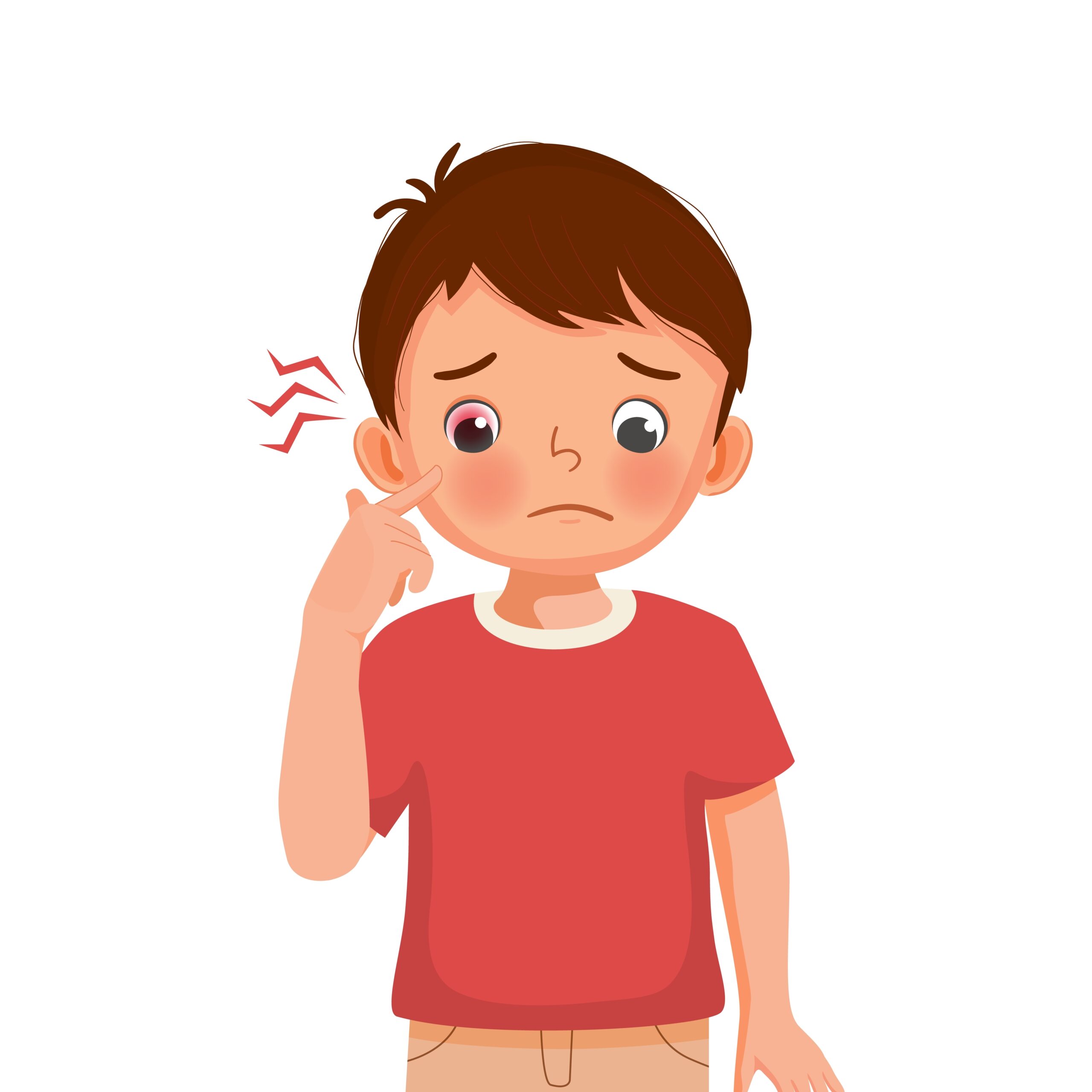
red eyes
Dietary recommendations
Individuals should keep a light and balanced diet to reduce the burden on the spleen and stomach and help prevent the accumulation of dampness and heat.
Fresh fruits and vegetables are encouraged, especially lotus root, tomatoes, water bamboo shoots, water chestnuts, chrysanthemum flowers, goji leaf, carrots, mung beans, winter melon, cucumber, bitter melon, green plums, pineapple, reed rhizome, and arrowhead root. In TCM, these foods are believed to help clear heat and eliminate toxins.
Alcohol, tobacco, and pungent foods such as ginger, scallions, chili peppers, Chinese chives, garlic, and mustard may aggravate symptoms and should be consumed sparingly. It is also advisable to avoid “trigger foods” that may worsen the condition, including lamb, yellow croaker, hairtail fish, shrimp, crab, pork kidney, pork head meat, sheep brain, rooster meat, chicken wings, mustard greens, and other animal organs.
During active flare-ups of itchy eyes, tonic herbs such as ginseng, codonopsis root, astragalus root, prince ginseng, fresh rehmannia root, and prepared rehmannia root should be avoided. Warming herbs, including aconite, cinnamon bark, dried ginger, schizonepeta, cassia twig, and asarum, are also generally not recommended.
During remission, when symptoms are under control, appropriate dietary therapy aimed at strengthening qi and supporting spleen function may help improve the body’s resistance and reduce the risk of recurrence or lessen the severity of future flare-ups. Some healthy recipes are:
- Black bone chicken and astragalus stew
Black bone chicken (500g), astragalus root (20g), and fresh ginger (4 thick slices). Chop the meat into pieces, blanch in boiling water and drain; put all the ingredients in a double steam container, fill in 300ml of water; steam for about 2 hours, season to taste, serve hot. Drink the soup and eat the meat. This invigorates spleen, replenishes qi, nourishes yin and enriches blood, which are beneficial to improve overall body functioning. - Chinese yam and euryale seed porridge
Fresh Chinese yam (80g), euryale seed (10g), and rice (50g). Wash the ingredients, peel the Chinese yam and cut in small pieces; put all the ingredients in a sauce pan, boil with 1500ml of water, bring to a boil quickly and then simmer under low heat, when the liquid turns thick, turn off the heat and add brown sugar or salt to taste. Serve warm, eat in the morning and evening regularly. This replenishes qi and consolidates essence storage, which help boost the body surface to guard again the external influences.

Chinese yam and euryale seed porridge
- Stir-fried medlar leaf and pork
Medlar leaf and twig (250g, pick the tender part) and pork meat (250g), green onion (15g, sliced) and ginger (10g, sliced). Wash the leafy vegetables, cut the meat into strips. Add some vegetable oil in a pan and heat up; put in the meat, green onion and ginger to stir-fry until it is 80% cooked, then put in the vegetable and keep stir-frying for 3 minutes; season with salt, soy bean sauce, rice wine or sesame oil to taste; turn off the heat and serve warm. This is beneficial to individuals with red and painful eyes, or dry eyes with blurred vision.
Further Readings:
Holistic concept Meridian system Meridian collaterals TCM organs Blood Qi (vital energy) Diagnostic methods Tongue study Pulse study Acupuncture techniques Body types Food properties

