 English


Skin problems are common in modern cities and are often linked to an individual constitution, lifestyle, or dietary habits rather than poor hygiene. Healthy eating can have a positive impact on skin health because many skin conditions reflect what is happening inside the body. A balanced diet provides essential nutrients that help maintain healthy skin and support the body’s natural healing processes.
Traditional Chinese Medicine (TCM) places great importance on diet as part of maintaining health and well-being. According to TCM, unhealthy eating habits, such as regularly consuming large amounts of spicy or greasy foods, excessive alcohol, or too much coffee, may contribute to internal imbalances that can aggravate itchy skin. While triggers vary from person to person, paying attention to your diet may help reduce flare-ups.
Choosing foods wisely and avoiding those that seem to worsen symptoms can support the body’s natural balance and recovery. Combined with appropriate treatment and healthy lifestyle habits, good dietary choices may help relieve discomfort, promote healthier skin, and reduce the risk of recurring itching.
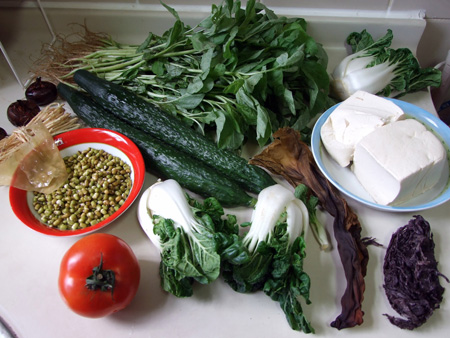
Severe itching that accompanies with skin rashes or swelling should eat more anti-inflammatory and soothing food, such as amaranth, bok choy, kelp, laver, mung bean, tomato and cucumber.
TCM Dietary Advice for Itchy Skin
- Choose a light, balanced diet and drink enough water. Moderate amounts of healthy fats can help keep the skin nourished and prevent dryness. Avoid overeating greasy, rich, or very sweet foods, which may worsen symptoms.
- Fresh fruits and vegetables provide vitamins, minerals, and fibre that support digestive health and healthy skin. Spicy foods, alcohol, coffee, and strong tea may trigger or aggravate itching in some people and are best taken in moderation.
- Some foods are traditionally considered triggers for skin flare-ups, including seafood, shrimp, crab, mutton, goose, bamboo shoots, and fermented bean curd. During active flare-ups, it may help to avoid foods that you find worsen your symptoms. Warming foods such as longan, red dates, and donkey-hide gelatin (e jiao) are also best consumed in moderation.
- For older adults with dry and itchy skin, foods such as spinach, grapes, black sesame seeds, eggs, and pine nuts may help support skin health.
- If itching is accompanied by redness or rashes, cooling foods commonly recommended in TCM include Chinese cabbage, kelp, seaweed, tofu, mung beans, cucumber, bitter melon, purslane, and green tea.
- As food triggers vary from person to person, paying attention to how your skin responds to different foods can help you make informed dietary choices and better manage symptoms.
Foods Traditionally Recommended for Different Types of Itchy Skin
TCM physicians may recommend certain foods depending on a person’s symptoms and underlying disharmony pattern.
- Blood heat generating wind: Cooling foods may be preferred, including radish, winter melon, sponge gourd, celery, millet, barley, mung beans, tofu, watermelon, pear, apple, citrus fruits, coix seeds, buckwheat, bitter melon, lotus root, tomato, water chestnut, seaweed, kelp, banana, melon, mulberry, and bottle gourd.
- Wind-cold invasion: Warming foods and herbs traditionally include perilla leaf, fresh ginger, schizonepeta, cinnamon bark, coriander, and spring onion.
- Blood deficiency generating wind: Foods traditionally used to nourish the body include mulberries, pine nuts, black fungus, snow fungus, spinach, carrots, pork, lamb, animal liver, sea cucumber, grapes, milk, eggs, soybean milk, lily bulbs, and eel.
- Severe itching affecting sleep: Foods traditionally believed to promote relaxation and better sleep include lotus seeds, lily bulbs, sour jujube seed, oyster, oranges, papaya, longan fruit, wheat, pork heart, yellow croaker, mushrooms, reishi mushroom, and seed of oriental arborvitae.
Remember that food triggers and responses vary from person to person. A balanced diet, together with appropriate medical care and healthy lifestyle habits, can help support skin health and improve comfort.
 Lotus root cool dish |
 Sugarcane juice |
Chinese Healthy Recipes for Itchy Relief
In Chinese culture, food has long been valued as an important part of staying healthy and supporting recovery from illness. Many families prepare special meals for loved ones who are unwell, helping to relieve symptoms, restore strength, and promote overall well-being. This tradition of using food to support health has been passed down through generations.
TCM regards food as a gentle way to help maintain the body’s balance. With the right choice of ingredients and cooking methods, everyday meals can become part of a healthy lifestyle and support the body’s natural healing processes. The following recipes are commonly recommended in TCM for people with itchy skin.
- Mung bean (20g), fresh lotus root (300g), and sweet osmanthus sauce. Soak the mung bean in water overnight, wash the lotus root and chop into thick pieces, use the beans to stuff into the holes of the lotus pieces, steam under high heat for 30 minutes or until they thoroughly cooked, turn off the heat, pour the sweet osmanthus sauce on top. The dish can serve as a cool dish or dessert that aids itchy conditions due to over-heated blood.
- Honeysuckle flower (10g) and fresh loquat fruit (4 pieces). Peel and remove the seeds of loquat fruits, pound the flesh slightly, put the flesh and the honeysuckle flower in a cup and infuse into boiling water, cover for five minutes. Drinking regularly is beneficial to itchy skin due to wind-heat attacking the body surface.
- Fresh perilla leaf (15g), and rice (50g). Chop up the perilla leaf and put aside; boil the rice with 1000 ml of water, bring to a boil quickly and then simmer under low heat, when the liquid turns thick, add in the perilla leaf and stir for a while, turn off the heat and add rock sugar to taste. Serve warm, eat in the morning or empty stomach. This is suitable for itchiness due to wind-cold attacking the body surface or food allergic.
- Rehmannia root (50g), one pig’s foot (500g), ginger (4 thick slices) and white part of green onion (1/2 cup). Wash and chop the first two ingredients into big pieces, blanch the pig’s feet in boiling water for 5 minute; put all the ingredients in a pot, fill with water to about 2cm from the top; bring to a boil quickly, then simmer for about 2 hours or until the meat and skin fall off the bones (if the water level becomes too low, add warm water, 1 to 2 cups at a time); take out the herb from the pot, season with salt, rice wine, and sesame oil to taste, turn to medium heat and cook for another 30 minutes, turn off the heat and serve hot. The dish can be divided for several meals (finish within the week). The herb can replenish blood and moist dryness, and the pig’s foot is rich in collagen. This is good for itchiness with dry skin.
- Red sage root (30g), notoginseng (10g), one baby chicken and ginger (4 thick slices). Take off the chicken skin, clear its chest, stuff the herbs into the chest; put the chicken in a clay pot, fill with water to cover it, simmer under low heat until it is tendered; take out the herb from the chicken’s chest, season with salt, rice wine, sesame oil and ginger to taste, cook under medium heat for another 30 minutes, turn off the heat and serve hot. The chicken can be divided for several meals, eat one chicken a week. The herbs promote blood circulation and resolve stasis. This stew is suitable for itchy conditions associated with blood stasis, such as hives around menstrual periods..
- Dictamnus root bark (15g), rice bean (30g) and carp (500g). Decoct the root bark to make a solution first; use the solution and the rice bean and fish to boil a soup. Serve hot, drink the soup and eat the fish. This is beneficial to itchy conditions due to damp-heat accumulation.
- Dried white fungus (6g), and rock sugar (15g). Clean and soak the white fungus in warm water for one hour, cook with 1000ml of water, bring to a boil quickly and then simmer for two hours, add in the sugar and serve warm. This is suitable for itchy conditions associated with heat symptoms or yin deficiency.
- Pond loach (300g), pork ribs (200g), red dates (30g), ginger (2 thick slices) and white part of green onion (1/4 cup). Put the loach and pork ribs in boiling water and blanch for 3 minute, the loach has to clean the organs and rub away mucus on the skin; put the pork ribs and ginger slices in a pot and boil with 1500ml of water for one hour under medium heat, then add in the loaches and red dates, simmer for another hour, season to taste and serve warm. Drink the soup and eat the meats. This is beneficial to itchy conditions with a weakened body.
- Schisandra (6g), huai wheat (30g) and lotus plumule (10g). Decoct to make a tea and add sugar to taste. Drink every day. This drink clears heart fire and calms down the spirit, which are suitable for severe itching that disturbs sleeping.
- Fresh lily bulb (30g) and mung bean (30g); boil with 1000ml of water until the ingredients are fully tendered, add sugar to taste. As porridge for breakfast or evening.
- Fresh sugarcane juice 300ml every day.
- Vinegar and brown sugar for 50g each, and fresh ginger (30g), decoct to drink. This is suitable for any itchy condition during outbreak.

A well-planned diet facilitates skin conditions to heal.
Further Readings:
Body types Food properties Organ systems Blood & Qi

