 English
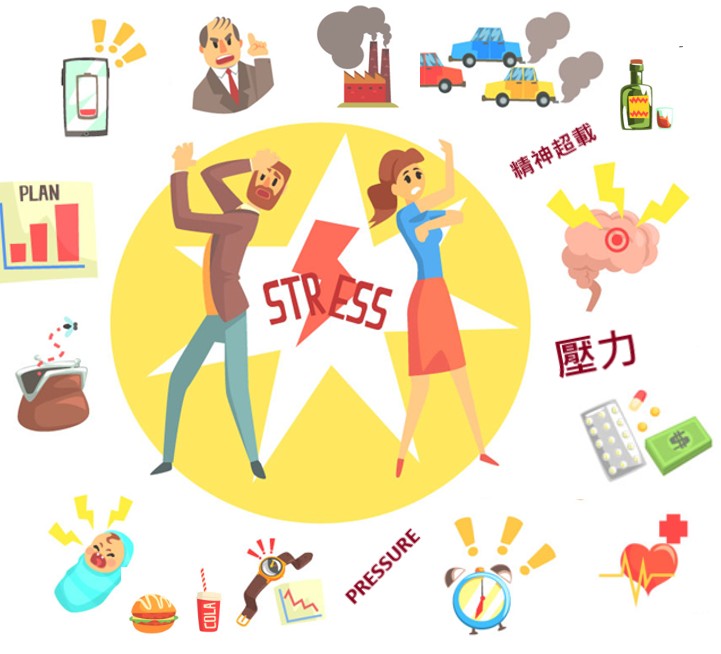
Your heart races before a presentation, your hands sweat during an interview, and you stay awake worrying about a bill. That’s stressful and everyone experiences it to some degree. These days, people talk about stress all the time, using words like pressure, tension, strain, worry, anxiety, burden, overwhelm, mental load, or nerves. Some describe it as feeling stretched, on edge, under pressure, worked up, or burnt out.
In fact, stress isn’t a monster, nor your enemy. Stress is a tool your body uses to help you handle challenges. Think of it like a hammer. When used properly, you can build great things with it. But if you hit your thumb by accident, it hurts.
This article helps you understand what stress really is, why your body reacts the way it does, and how you can work with stress, not against it, to feel more comfortable and in control in a busy world.

- What Exactly is Stress?
- Why We Stress? A Trip Back in Time
- Inside the Body: The Stress Team
- The Good, the Bad, and the Overwhelmed
- How Do You Know You’re Overly Stressed?
- If You Feel Stressed, You’re Not Alone
- What Does Chinese Medicine Say About Stress?
- East Meets West: Two Ways to Heal
- When Should You Ask for Help?
What Exactly is Stress?
When we talk about “stress,” we don’t just mean feeling busy or irritated. Stress is your body’s automatic reaction to any change that requires you to adjust. Think of your body like a smart home security system. When things are calm, it stays quiet in the background; but when something triggers it, a window opens or a sensor detects movement, the alarm switches on. Stress works the same way, it’s your body’s internal alarm.

This alarm creates a mix of physical and mental reactions that help you deal with a challenge. The American Psychological Association (APA) describes stress as pressure on your mind and body, but at its core, it’s simply your body trying to protect you and help you cope in the moment.
Why We Stress? A Trip Back in Time
To understand why something as simple as an email can make your heart race, we need to look back at our ancestors. Imagine living 50,000 years ago, your main worries weren’t deadlines or traffic, they were wild animals, bad weather, and finding food. To survive these threats, the body developed a smart response system called fight‑or‑flight. If you saw a saber‑toothed tiger, you had to react instantly. There was no time to think. Your body would flood you with energy so you could either fight the danger or run away. 
Here’s the problem: your body hasn’t updated this system according to modern life!
Today, you aren’t running from tigers. Instead, you’re dealing with overdue bills, demanding bosses, strict schedules, tight deadlines, social expectations, and constant notifications. However, your body can’t tell the difference. It reacts to an email from your manager the same way it once reacted to a predator. It flips on your internal alarm system, floods you with stress hormones, and prepares your muscles for action, even though you’re just sitting at your desk trying to finish a task.
This mismatch between ancient instincts and modern life is what makes stress so draining. Your body keeps going into high alert without any real danger or way to release energy. Over time, this constant activation wears you down and can harm your sleep, immunity, and mood.
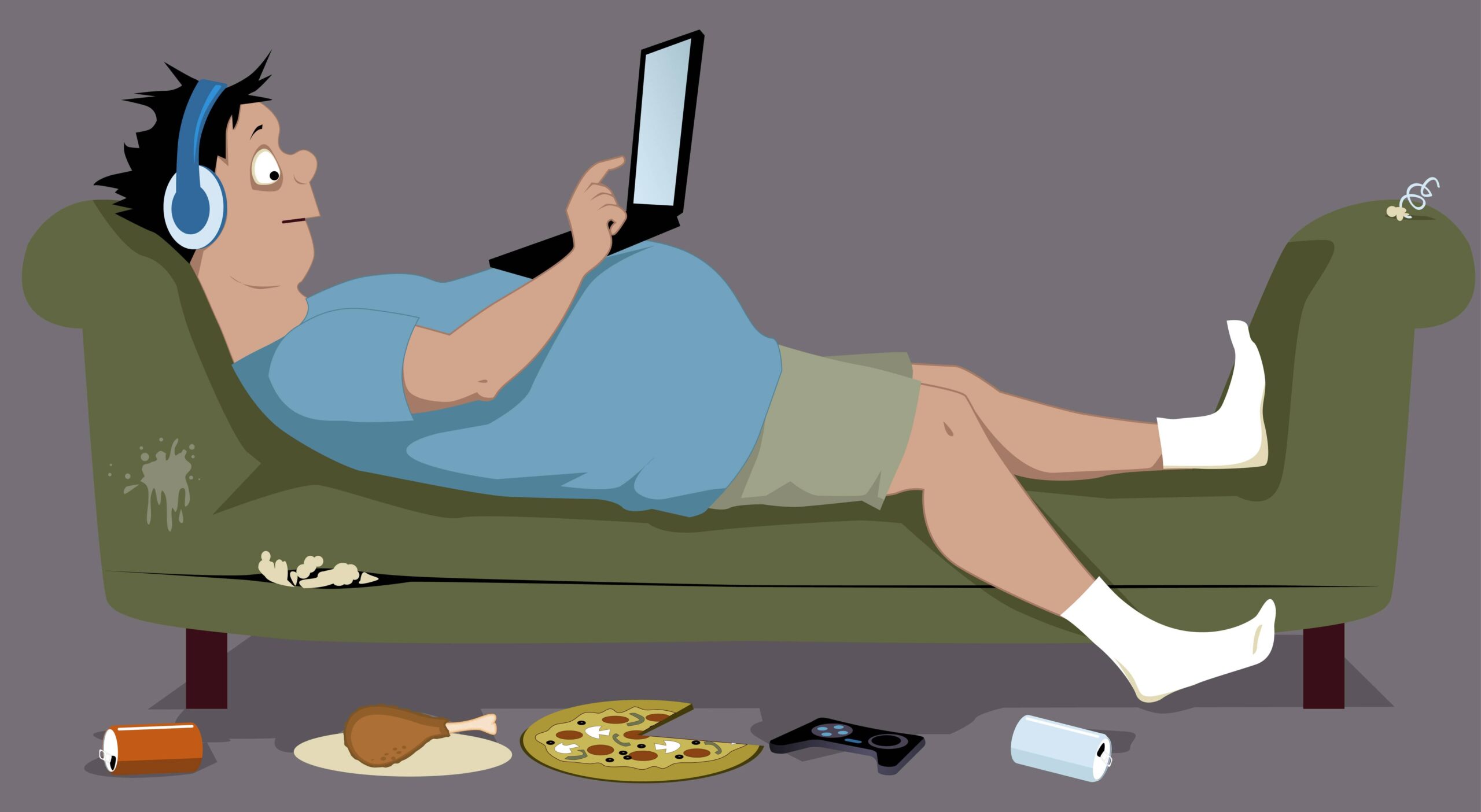
Recognizing this mismatch is the first step toward managing stress more effectively.
Inside the Body: The Stress Team
You don’t need a medical degree to understand what happens inside your body during stress. Let’s keep it simple.
When your brain senses a threat, it sends a quick signal to your adrenal glands (small glands sitting on top of your kidneys.) Think of the processes like a fast message chain:
- The brain (boss): Danger! wake up!
- The nerves (messengers): Carry that message instantly.
- The adrenal glands (hormonal factory): Release stress chemicals into the bloodstream.
The two main chemicals are:
- Adrenaline (sprinter) speeds up the heart and gives you an instant burst of energy.
- Cortisol (marathon runner) keeps your alert, manages your energy, and helps you stay focused.

Under normal conditions, once the threat is gone, your body switches to “rest and digest” mode and calms down. But if you feel stressed all day, your body stays stuck in sprint mode without a break. That’s when problems start.
The Good, the Bad, and the Overwhelmed
Is stress always bad? NO! We need some stress to function well actually. Experts generally describe two kinds of stress: good stress and bad stress.
- Good Stress (eustress)
This is the positive kind of stress, such as the excitement before a wedding, the focus during a game, or the motivation to finish a project. It feels challenging but manageable. Good stress helps you grow, learn, and perform at your best. Without it, we might not feel motivated to do anything.
- Bad Stress (distress)
Bad stress happens when the pressure is too intense or lasts too long. It feels overwhelming, like you’re sinking with no way out. This type of stress can harm your health if it continues.
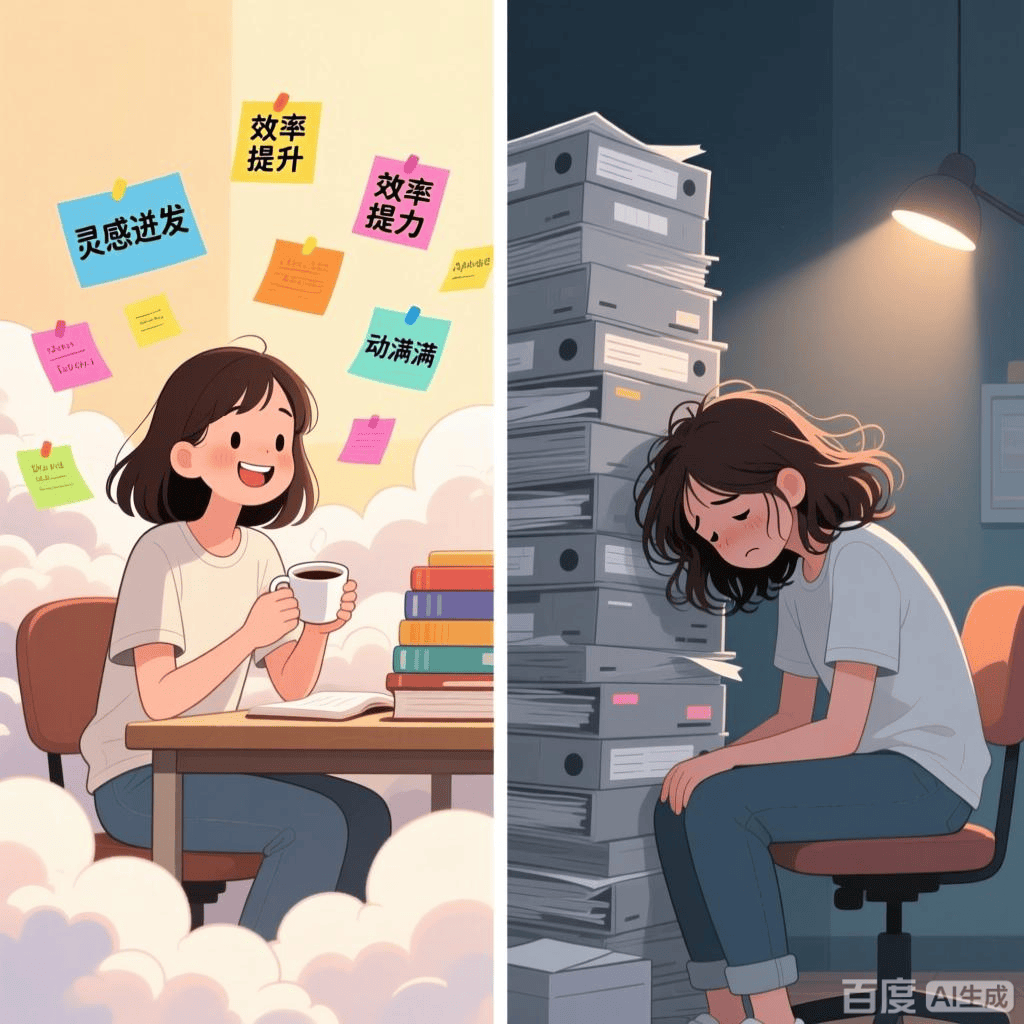
Think of stress like tension on a guitar string:
- Too loose, and it makes no sound –> boredom.
- Tuned just right, it makes music –> good stress.
- Too tight, and the string snaps –> bad stress.
The goal isn’t to remove all stress, but to keep it at a level that works for you.
How Do You Know You’re Overly Stressed?
Sometimes stress is easy to notice, like when you’re panicking. But other times, it hides quietly in your everyday life. Stress can show up in your body, your emotions, your thoughts, or your behavior. Here are some common signs to watch for, in yourself and in the people you care about.
1. Mental/Cognitive signs of stress: your mind becomes overloaded, like too many apps running on a phone. 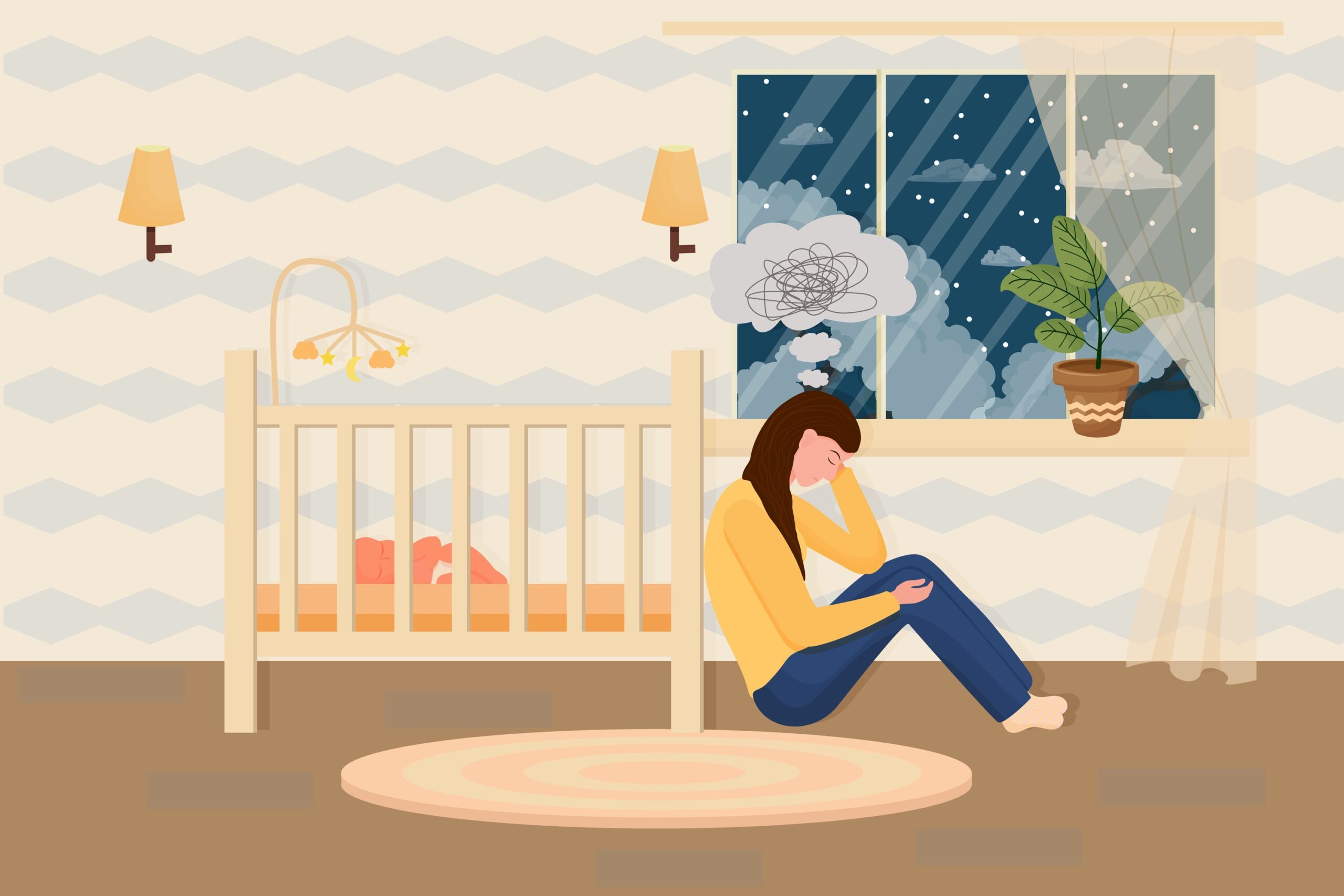
- Racing thoughts
- Difficulty concentrating
- Forgetfulness
- Indecisiveness
- Constant worrying
- Negative thinking
- Mental fatigue
- Overthinking
2. Emotional signs of stress: your emotional balance becomes harder to maintain when stress doesn’t switch off.
- Irritability
- Anxiety
- Feeling overwhelmed
- Mood swings
- Sadness or low mood
- Restlessness
- Feeling out of control
- Loneliness or isolation
3. Physical signs of stress: chronic stress keeps your body flooded with stress hormones.
- Headaches
- Muscle tightness
- Fast heartbeat
- Stomach issues
- Sweating
- Fatigue
- Trouble sleeping
- Shallow breathing
- Frequent colds, weaker immunity due to prolonged stress.
- Body aches
4. Behavioral Signs of stress: your behavior shifts because you’re constantly trying to cope with pressure. 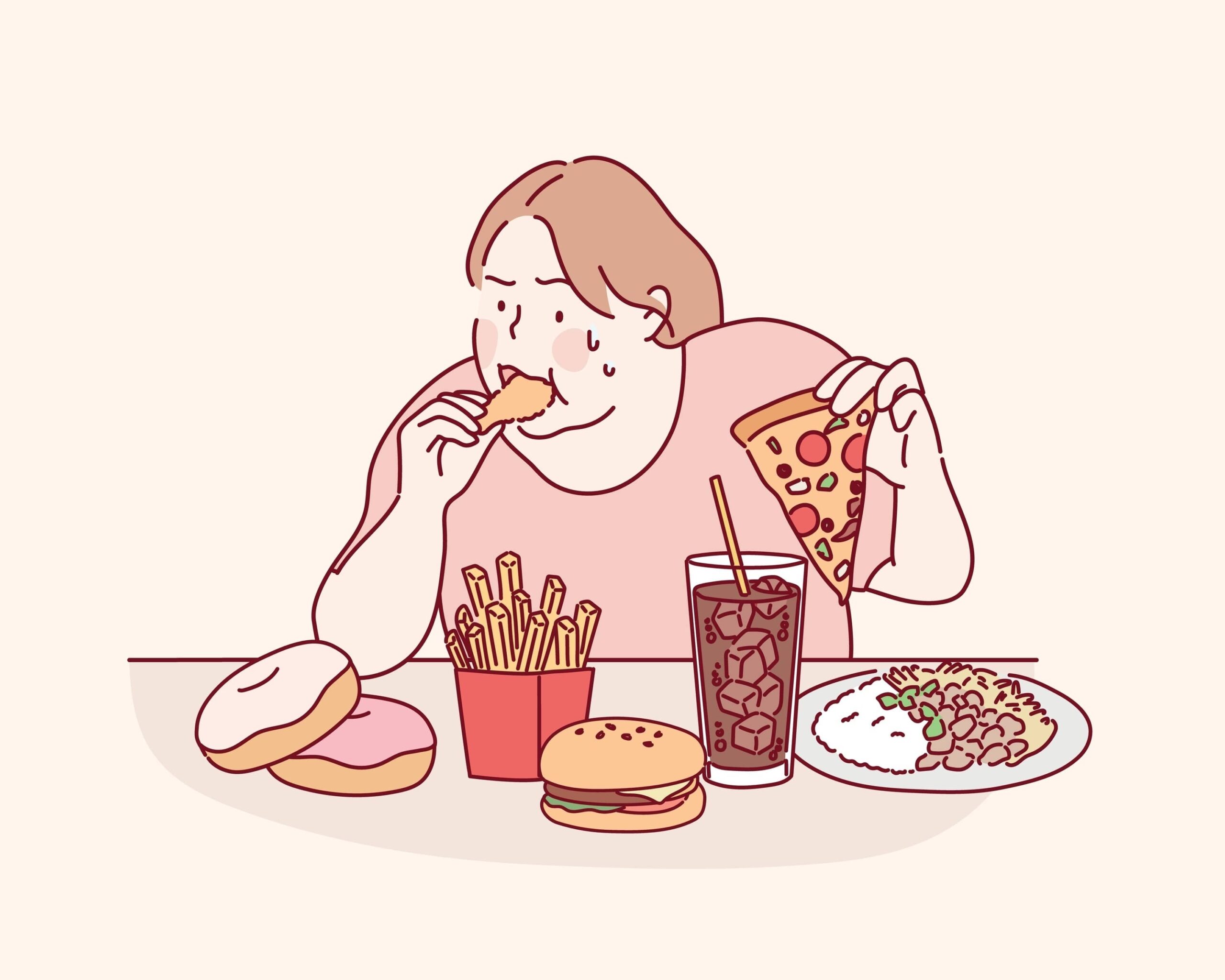
- Procrastinating such as putting off tasks because they feel overwhelming.
- Withdrawing from others such as avoiding friends, family, or social activities.
- Changes in eating habits such as eating much more or much less than usual.
- Changes in sleep habits such as sleeping too much or too little.
- Nervous habits such as nail‑biting, pacing, fidgeting, or teeth grinding.
- Irritability in actions such as snapping at others or losing patience quickly.
- Rushing or multitasking excessively, such as feeling pressured to do everything at once.
- Relying on quick fixes such as turning to caffeine, alcohol, or unhealthy snacks to cope.
- Difficulty completing tasks such as starting things but not finishing them.
- Avoiding responsibilities such as skipping work, chores, or commitments.
It should be noted that stress is a highly individual experience, which shaped by the interplay of biology, personality, past experiences, environment, and coping abilities. As a result, stress affects each person differently. In other words, stress is not just about the situation itself, it’s about how our brains, bodies, and life histories interpret and respond to that situation.
If You Feel Stressed, You’re Not Alone
If you feel stressed, you are in very big company. Stress is a global issue, and a normal part of modern life, often triggered by major life changes, high pressure work or school environments, financial difficulties, and challenging relationships.
Reports from Gallup, a major global analytics organization, show that nearly 40% of adults worldwide say they experience a lot of stress during their day. In many countries, these rates continue to rise. Younger generations, such as Millennials and Gen Z, often report higher stress levels than older adults, largely due to concerns about money, job security, and the future.
Stress-related health problems are extremely common. Estimates suggest that a large proportion of doctor visits in the US involve stress related complaints, and around 77% of people report stress that affects their physical health, contributing to issues like high blood pressure, heart disease, digestive problems, obesity, and diabetes. Surveys also show that about 40%–45% of adults experience symptoms linked to chronic stress. 
Below are key findings on stress and its impact:
- Widespread impact: About one‑third of U.S. adults report moderate stress, and around one‑fifth report high stress. High stress levels are linked to long‑term physical health problems (PubMed Central).
- Linked to disease: Chronic, unmanaged stress is strongly associated with many of the leading causes of death in the U.S., including heart disease, cancer, accidents, respiratory diseases, liver conditions, and suicide (NIH).
- Common symptoms: Stress often appears in the body as headaches, back pain, fatigue, digestive issues, and lowered immunity.
- Mental health connection: Long‑term stress is a major risk factor for developing anxiety and depression.
- Workplace hazard: Stress is widely recognized as a significant workplace hazard, contributing to reduced productivity, burnout, and substantial economic costs.
What Does Chinese Medicine Say About Stress?
Western medicine explains stress mainly through biology–how the brain, nerves, and hormones respond to stress. Traditional Chinese Medicine (TCM) however, looks at stress from a holistic point of view. It focuses on the interaction between mind and body, and how changes in the environment affect our internal balance.
TCM claims that stress is not seen as something that appears suddenly, but as a gradual process of internal imbalance shaped by multiple factors, including body constitution, emotions, daily habits, and the surrounding environment. Rather than focusing solely on your present experiences, TCM physicians pay close attention to how your stress accumulates in the body over time.
The core idea of TCM is that stress arises from the interaction of three key factors:
- Constitutional tendencies (your natural and acquired body condition): Everyone is born with different strengths, and our lifestyle shapes our health over time. This combination determines how much stress you can handle, how fast you recover and how sensitive you are to stress. People with weaker heanlthy energy may feel stressed more easily or take longer to bounce back.
- External triggers: These include life events, work pressure, relationship issues, emotional ups and downs, weather and environmental changes. In TCM, emotions are natural, but excessive or prolonged emotional reactions can damage the organs and lead to “internal damages.”
- Disruption of qi flow (the key mechanism): TCM claims that stress always affects the movement of qi. When qi flow becomes blocked or disrupted, internal organs are likely to dysfunction. This leads to common stress symptoms such as chest tightness, digestive problems, stiff shoulders and neck, and trouble sleeping.
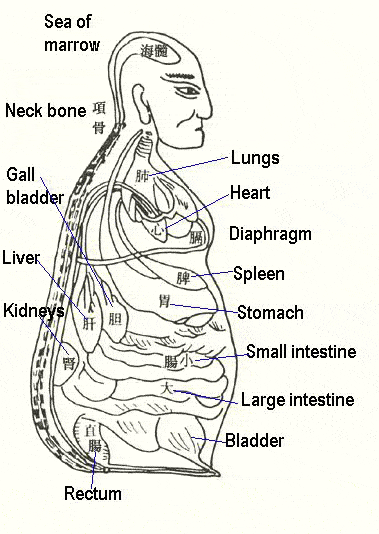
Illustration of internal organs in TCM
TCM holistic framework also helps explain why people respond differently to the same stressful event. It is because each person’s constitution condition and overall energy level are different. Therefore, two individuals may face the same stressful event, yet one recovers quickly while the other finds it difficult to cope.
In addition, TCM emphasizes individualized treatment, as stress symptoms and underlying disharmony patterns vary from person to person. TCM physicians don’t give a single “quick‑fix pill” for stress, nor do they use one standard treatment for everyone. Instead, their therapeutic approach focuses on restoring the harmony of qi and blood, strengthening the mind–body connection, and improving lifestyle habits to prevent stress from accumulating again.
East Meets West: Two Ways to Heal
So, which approach is better for stress? The truth is, combining both Western medicine and Traditional Chinese Medicine (TCM) often gives the best results, because each has its own strengths. The key is choosing an approach that fits your personal condition and needs.
The Western Approach — Like Mechanics
Think of Western medicine as fixing a car. If the engine overheats, a mechanic checks the coolant and repairs the parts. Similarly, Western medicine uses therapy and, when needed, medication to rebalance brain chemistry. It’s highly effective for crisis management and treating specific mental‑health disorders.
The Eastern Approach — Like Gardening
TCM is more like gardening. A gardener doesn’t just fix one yellow leaf, they check the soil, sunlight, and water. TCM uses acupuncture, herbs, and mindful practices to balance the whole body. It’s especially good for long‑term care, stress prevention, and maintaining overall wellness.
|
Western Medicine |
Chinese Medicine |
|
|
Common Approaches |
Cognitive Behavioral Therapy (CBT): An approach to correcting negative thinking and behavior patterns Medication: Such as antidepressants or anti anxiety drugs for symptom relief Biofeedback therapy: Using instruments to help patients learn to regulate physiological responses like heart rate and breathing. Lifestyle advice: Exercise, sleep hygiene, and time management |
Herbal prescription Acupuncture Manual therapies such as massage, moxibustion, cupping, and ear acupressure Traditional exercises such as qigong and tai chi Dietary therapy Lifestyle modifications |
|
Strengths |
Rapid effects for acute anxiety or panic attacks CBT and other psychotherapies are well‑researched and highly structured Suitable for severe emotional disorders that require clear diagnosis and medical monitoring |
Emphasizes prevention and constitution‑based adjustment, ideal for long‑term stress management Fewer side effects, and can integrate naturally with lifestyle modifications Effective for stress‑related physical symptoms such as insomnia, fatigue, and digestive problems |
|
Limitations |
Medications may cause side effects such as drowsiness or dependency, requiring physician supervision Less emphasis on constitution or holistic lifestyle patterns |
Slow to see the results that may require weeks to months of continuous treatment May not provide rapid relief for severe anxiety or acute symptoms |
When Should You Ask for Help?
It’s completely normal to feel stressed sometimes. But there comes a point when stress becomes too heavy to manage on your own, and you need to consider reaching out for professional help, especially if:
- Stress is affecting your daily life, like your work, relationships, or caring for your family.
- You feel hopeless, overwhelmed, or persistently sad.
- You rely on alcohol, drugs, or food to cope every day.
- You have panic attacks (sudden fear, racing heartbeat, chest tightness, or trouble breathing.)
- You have thoughts of hurting yourself.
If stress is ignored or handled poorly for a long time, it can slowly develop into serious physical and mental health problems. That’s why it’s important to address stress as soon as you notice the signs, so you don’t fall into a harmful cycle. Seeking help is not something to be ashamed of, just as you would see a doctor for a broken bone. When stress becomes too heavy to manage on your own, turning to a therapist, counselor, or mental‑health professional is a strong, responsible, and courageous choice.
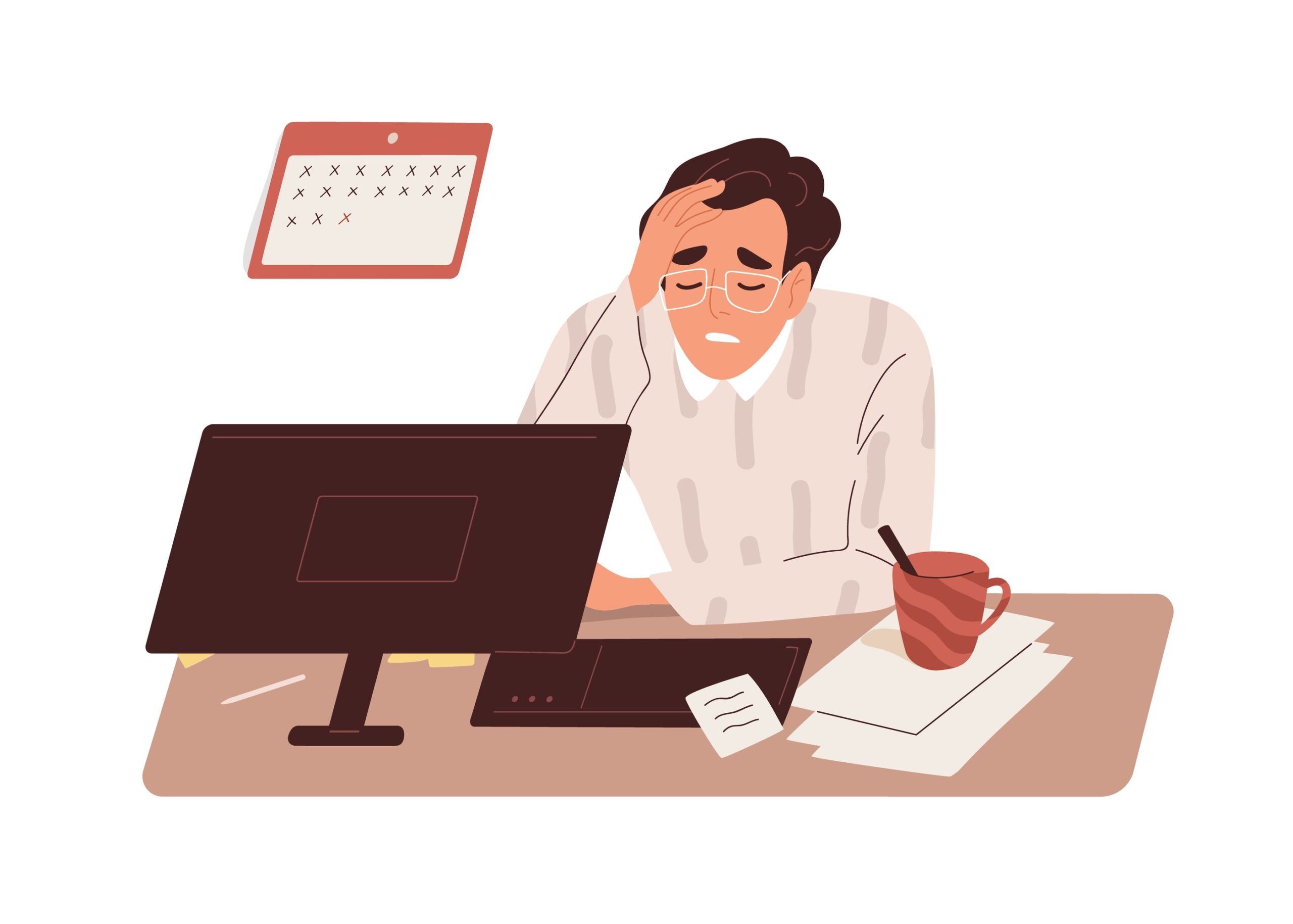
Finding Your Balance for Stress
Stress is a natural part of being human, but it doesn’t have to control your life. When you see stress as your body’s old protection system, it becomes easier to notice the signs and act before burnout sets in. With appropriate support, whether from Western doctors, TCM physicians, other professionals, or the people around you, you never have to face it alone.
Life will always bring challenges, so we shouldn’t expect completely stress‑free days. Without some pressure, we might even lose our drive. What matters is learning to stay balanced, keep your energy steady, and trust that you’re stronger than you think.
The best way to face stress: accept it, handle what you can, and turn it into something useful.

When we care for ourselves, we become stronger. When we care for others, we create a kinder world.

