 English
Stress is not simply a matter of “thinking too much.” It is a signal that the body and mind are out of balance. A stress response is a normal protective reaction that alerts us to challenges and helps us adapt. However, when your stress responses persist for a long time, it should be recognized and addressed promptly. 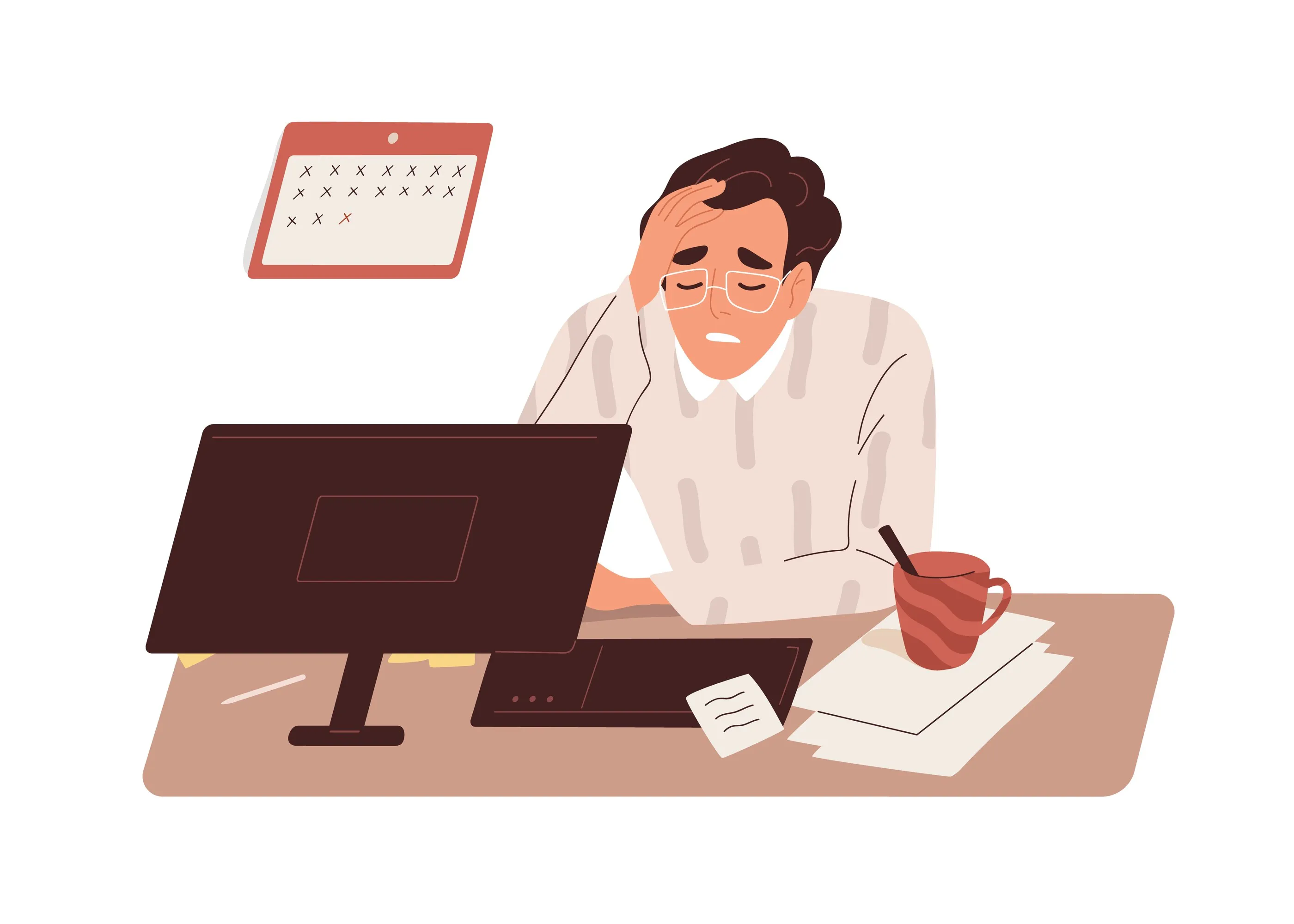
Unlike approaches that focus on quickly suppressing the negative feelings, Traditional Chinese Medicine (TCM) aims to restore the body’s internal balance and strengthen its ability to cope with stress. In TCM theory, stress is viewed as a mind-body condition involving both physical and emotional aspects of health. It is closely related to dysfunction of the internal organs and disturbances in qi (vital energy) and blood. Therefore, treatment focuses on correcting the underlying imbalance as well as relieving symptoms, rather than simply calming the mind.
- Main Therapeutic Approaches in TCM Herbal Therapy
- Benefits of Chinese Herbal Therapy
- Precautions When Using Chinese Herbal Remedies
Below are three main therapeutic approaches in TCM herbal therapy for managing stress.
1. Sooth Liver and Regulate Qi: Helping emotions flow
Stress can lead to symptoms such as irritability, chest tightness, frequent sighing, rib-side discomfort, premenstrual mood swings in women. These are signs of a disrupted qi (energy) flow.
- Free and Easy Wanderer Powder: This prescription soothes liver, strengthens spleen, and nourishes blood. Suitable for people under stress who have poor appetite and fatigue.
- Bupleurum Liver Soothing Powder: This prescription focuses on regulating qi and relieving stagnation, which help those with chest tightness, frequent sighing, and emotional depressed.
- Rosebud, tangerine peel, finger citron fruit: These ingredients are suitable for mild stress. They help regulate qi and relieve emotional tension, can be brewed as herbal tea for daily wellness.
2. Tonify Organs: Recharging body and mind
Long-term stress can cause fatigue, insomnia, poor memory, and a low mood. In TCM, these reflect weakness (deficiency) in the internal organs. The tonifying approaches help address the root cause.
- Deficiency of heart and spleen: the stress responses include fatigue, poor sleep, and anxiety. The remedy should aim to strengthen the spleen, nourish the heart, and calm the spirit. Common prescriptions are Restore Spleen Decoction & Nourish Heart Decoction.
- Yin deficiency of liver and kidney: the stress responses include irritability, restlessness, and insomnia. The remedy should aim to nourish yin, support the kidney and liver, and calm the spirit. Common prescriptions are Six-ingredient Rehmannia Pill & Heaven King Heart Nourishing Pellet.
- Yang deficiency of kidney: the stress responses include low energy and lack of motivation. The remedy should aim to warm and strengthen kidney yang to boost vitality. Common prescriptions are Restore the Right (Kidney) Pill & Morinda Root Pill.
3. Resolve Phlegm and Calm Spirit: Reducing mental burden
This approach is for people experiencing mental overwhelm, obsessive thoughts, restless sleep, vivid dreams, or a heavy-headed feeling.
- Phlegm-heat disturbing heart: stress responses include agitation and insomnia. The remedy should aim to clear heat, resolve phlegm, and calm the spirit. Common prescription is Coptis Decoction to Warm the Gallbladder.
- Phlegm blockage and qi stagnation: stress responses include emotional blockage and mental unrest. The remedy should aim to regulate qi, resolve phlegm, and relieve emotional constraint. Common prescriptions are Pinellia and Magnolia Decoction and Warm the Gallbladder Decoction.
- Disharmony between heart and kidney: stress responses include anxiety, insomnia, and poor focus. The remedy should aim to harmonize heart and kidney functions to stabilize the mind. Common prescriptions are Coptis and Donkey Hide Gelatin Decoction & Communicating and Tranquilizing Pill.
In summary, TCM views stress as a whole-body imbalance rather than an isolated problem. Treatment focuses on:
- Releasing emotional and qi stagnation
- Rebuilding the body’s strength and energy
- Removing physical and mental obstacles to well-being
The goal is not to mask stress symptoms, but to restore balance and strengthen the body’s ability to adapt. As balance returns, resilience improves and stress becomes easier to manage naturally.
Benefits of Chinese Herbal Therapy in Stress Management
- Holistic regulation: Rather than targeting a single symptom, Chinese herbal remedies work to harmonize the whole organ system and balance qi (vital energy) and blood, thereby improving overall resilience to stress.
- Fewer side effects: Chinese herbal remedies can also be used to reduce side effects caused by Western medications, such as dry mouth, constipation, and insomnia, thereby improving treatment tolerance and adherence.
- Reduce the risk of relapses: By improving one’s underlying constitution, it helps reduce the frequency and intensity of stress-triggered emotional problems.
- Mind–Body integration: Physicians often combine herbal therapy with emotional regulation techniques and lifestyle adjustments, aligning with the modern bio-psycho-social model of health.
Precautions When Using Chinese Herbal Remedies for Stress Management
- Treatment should match the individual: Although many people experience stress, the underlying imbalance can be very different from person to person. Some may need herbs that help regulate qi and relieve emotional tension, while others may need herbs that nourish and strengthen the body. Using the wrong remedy may not help and can sometimes make symptoms worse.
- Don’t continue treatment unnecessarily: Chinese herbal treatment should be adjusted once the condition improves. Herbs that move qi may become overly stimulating if used for too long, while tonic herbs may place extra strain on digestion when overused. After symptoms have improved, the prescription should be reviewed, modified, or discontinued as needed.
- Combine the strengths of Chinese and Western Medicine: Chinese and Western medicine can complement each other in stress management. During periods of severe anxiety or intense stress, Western medications may provide faster symptom relief. During recovery, Chinese herbal medicine can help restore balance, support overall health, and improve resilience. In simple terms, Western medicine helps manage urgent symptoms, while Chinese medicine supports long-term recovery.
- Healthy lifestyle habits are the foundation: Chinese herbal medicine can be helpful, but it should not be the only strategy for managing stress. The most important factors are maintaining a regular sleep schedule, exercising regularly, eating well, and having strong support from family, friends, or the community. Healthy daily habits and a supportive environment form the foundation of long-term stress management, while Chinese medicine serves as a valuable complement.
Key Takeaway
Chinese herbal remedies can support stress management, but they work best when used appropriately, tailored to the individual, and combined with healthy lifestyle habits. Lasting stress resilience comes not from a single remedy, but from restoring balance in both the body and mind.

