 English

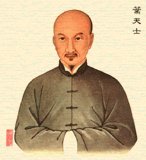
Ye Gui (1667 – 1746AD)
This diagnostic method was first proposed by Ye Gui (1667-1746 AD), a renowned physician in the Qing Dynasty. Guided by the theories of the Yellow Emperor's Classic of Internal Medicine (huang di nei jing), he synthesized the knowledge of earlier physicians with his own clinical experiences to develop a diagnostic framework for febrile diseases , especially epidemic febrile illnesses. He classified the progression of febrile diseases into four pathological levels, which represent the depth and severity of pathological changes within the body and serve as important guidelines for the diagnosis and treatment of febrile diseases.
Febrile diseases (wen bing) refer to a category of externally contracted illnesses caused by heat pathogens, or by cold, dampness and other pathogens transforming into heat within the body. Acute fever is the typical clinical presentation of individuals. The pathogenic factors typically enter through the mouth and nose, and progress inward through four successive levels:
Defensive (wei) → Qi → Nutritive (ying) → Blood (xue)
1.Defensive (wei) Level: This level represents the struggle between the body’s external defensive qi and invading pathogenic factors, that the pathogens have just entered the body, and protective qi is mobilized to resist the invasion. This level usually corresponds to the onset of a febrile disease. The pathological changes are primarily located in the lung, skin, and body hair, and symptoms are mainly associated with dysfunction of the lung system.
2. Qi Level: this level represents the struggle between the body’s internal resistance and pathogenic heat. Both the body’s defensive forces and the pathogen are strong, resulting in marked clinical manifestations. The pathogens may progress inward from the Defensive level or directly invade the interior. Pathological changes become more extensive, affecting the internal organs, particularly the lung, stomach, spleen, gallbladder and intestines, giving rise to various heat-related disharmonies.
3.Nutritive (ying) Level: The Nutritive (ying) level indicates a deeper and more severe stage of febrile disease, in which pathogenic heat begun to damage yin fluids while disturbing the spirit (shen). As blood is considered a major component of the yin fluids, pathological changes commonly involve the heart and pericardium, leading to symptoms such as restlessness, insomnia, or altered consciousness.
4.Blood (xue) Level: The Blood level represents the deepest and most critical stage of a febrile disease. Pathogenic heat has penetrated the blood and circulates throughout the body, causing excessive heat in the blood, consumption of yin, and the possible generation of internal wind. The pathological changes primarily involve the heart, liver, and kidney systems.
Syndrome Differentiation of the Four Levels
Since the progression of febrile diseases is complex and dynamic, the four levels are not always clearly separated, a mixed disharmony pattern is very common in clinical practice. Below are common disharmonies and the manifestations in each level:
1. Defensive (wei) Level
This level is typically presented by warm pathogens attacking superficial portions of the body.
The key symptoms include fever, slight aversion to wind blowing and cold temperatures, red tongue tip and margin, floating and rapid pulse. Other accompanying symptoms include headache, body aches, fatigue, cough, nasal congestion, sore throat, mild thirst and dry mouth.
2. Qi Level
Typical symptoms during this level include fever, aversion to heat, thirst that prefer cold drinks, profuse sweating, red tongue with yellow coating, and a rapid pulse. Additional symptoms vary according to the affected body regions.
- Heat congesting in lung: Thick yellow sputum, wheezing and coughing, shortness of breath, chest pain, and nasal flaring. For severe cases, there may be rattling sounds in the throat and convulsions.
- Heat irritating chest and diaphragm: Annoying, vexation, nausea or urge to vomit, inability to sit or lie quietly.
- Heat stagnating gallbladder: Bitter taste in the mouth, rib-side pain, dry retching, vexation, scanty and dark-yellow urine.
- Excessive heat in qi: High fever, profuse sweating, intense thirst, flushed face, loud or coarse breathing, yellow and dry tongue coating, and a surging pulse.
- Heat accumulated in intestines and stomach: Excess thirst, tidal fever, abdominal fullness and hardness, abdominal pain aggravated by pressure, constipation or diarrhea. Dry yellow tongue coating which may become scorched black with prickles, and the pulse is deep and forceful.
- Damp-heat stagnation: Chest oppression, abdominal distension, limb aching and weakness, fatigue, drowsiness, scanty urine, and hesitant pulse.
3. Nutritive (ying) Level
This level is typically presented with yin fluids and blood damage, and spirit disturbed.
- Heat damaging yin: Fever that worse at night, mouth dryness but don’t prefer drinking, irritability, and insomnia. Severe cases may develop delirium and impaired consciousness; some may even appear bleeding under the skin. The tongue is crimson-red, and the pulse is fine and rapid.
- Heat stuffing pericardium: A heat body, agitation or emotional dullness, impaired consciousness, delirious speech, stiff tongue and limb coldness. The tongue is crimson red, and the pulse is rolling and rapid.
4. Blood (xue) Level
At this stage, intense heat has entered the blood, disturbing the circulation of blood and damaging the vessels. Common manifestations include high fever especially at night, restlessness, irritability, mental confusion or delirium and even coma. Bleeding symptoms such as nosebleeds, vomiting blood, blood in the stool, or blood in the urine may occur. Dark-red or purplish skin eruptions (purpura) may also be present. The tongue is typically deep red or purplish-red, and the pulse is thin and rapid. This stage indicates a severe condition that requires immediate treatment.
- Heat stirring wind: Persistent high fever, impaired consciousness, limb spasms, and neck stiffness. In severe cases, the body may arch backward (opisthotonos), the eyes may roll upward, and the jaws may become tightly clenched.
- Blood heat injuring yin: A prolonged low-grade fever, typically more marked in the late afternoon or evening and slightly relieved by morning. Other manifestations include night sweats, irritability, insomnia, dry mouth and throat with little desire to drink, warm sensation in the palms and soles, and flushed cheeks.
- Yin deficiency generating wind (stirring internal wind): Shaking or mild twitching of the hands and feet, occasional startle-like jerking movements, and signs of yin deficiency, including low-grade fever, weight loss, flushed cheeks, fatigue, a red and dry tongue, and a weak, rapid pulse.
In summary, the four levels reflect the progression of pathogenic heat from the body’s exterior to its interior and from superficial to deeper levels, providing a framework for understanding the development and severity of febrile diseases. Based on the foundation of the Six-Meridian diagnostic system, the Four-Level diagnostic approach not only addresses some of the limitations of Six-Meridian differentiation in the management of febrile diseases but also enriches and refines the syndrome differentiation of externally contracted diseases in TCM.
The Four-Level diagnostic system remains highly practical in modern TCM and is widely applied in the treatment of various acute infectious and contagious diseases, such as:
- Respiratory tract infections: influenza, COVID-19, pneumonia, and bronchitis.
- Gastrointestinal infections: acute gastroenteritis, typhoid fever, and dysentery.
- Systemic infections: sepsis, septicemia, epidemic hemorrhagic fever, epidemic encephalitis B (Japanese encephalitis), meningitis, and other severe infectious diseases.

