English

Myth #1: “The flu is just a bad cold.”
Fact: The flu is NOT just a bad cold, but much more severe. Although their early symptoms can look similar, the viruses, severity, complications, and public health impact are very different. Flu can cause high fever, severe headaches, muscle aches, and extreme fatigue, and can lead to pneumonia, hospitalization, and even death, especially in young children, older adults, and people with chronic diseases.
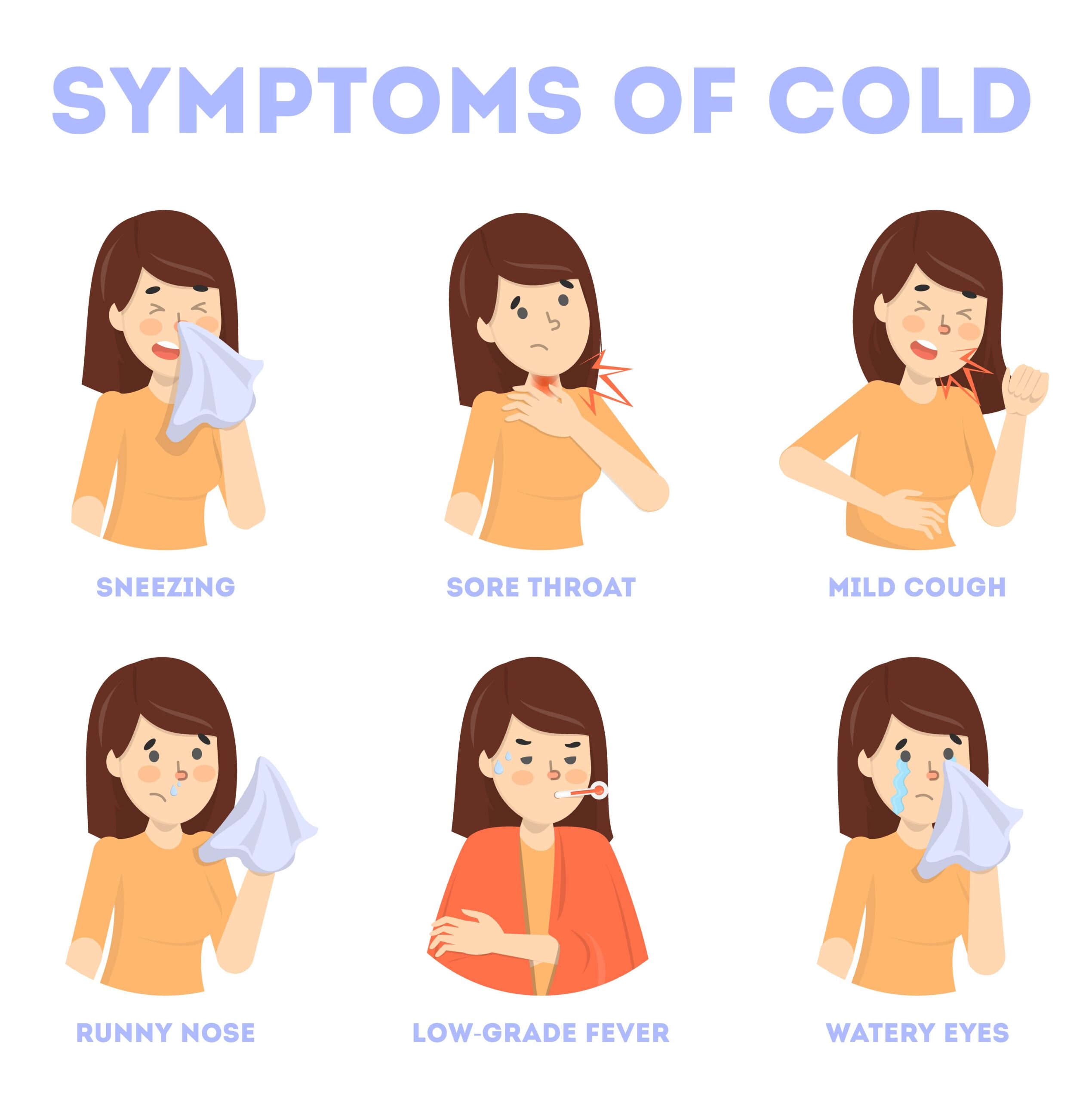
Common colds are mild viral infections upper respiratory tract
Myth #2: “Flu shot gives you the flu.”
Fact: Flu vaccines do not contain live viruses, only certain viral proteins (such as hemagglutinin) or inactivated viral fragments that cannot replicate, so they cannot cause influenza. Some people may experience mild reactions after vaccination, such as soreness at the injection site, slight fever, fatigue, or muscle aches. These are normal triggering immune responses and usually go away within 1~2 days, and they are not the flu.
Real influenza symptoms are much more serious.
Myth #3: “Healthy people don’t need to get vaccinated.”
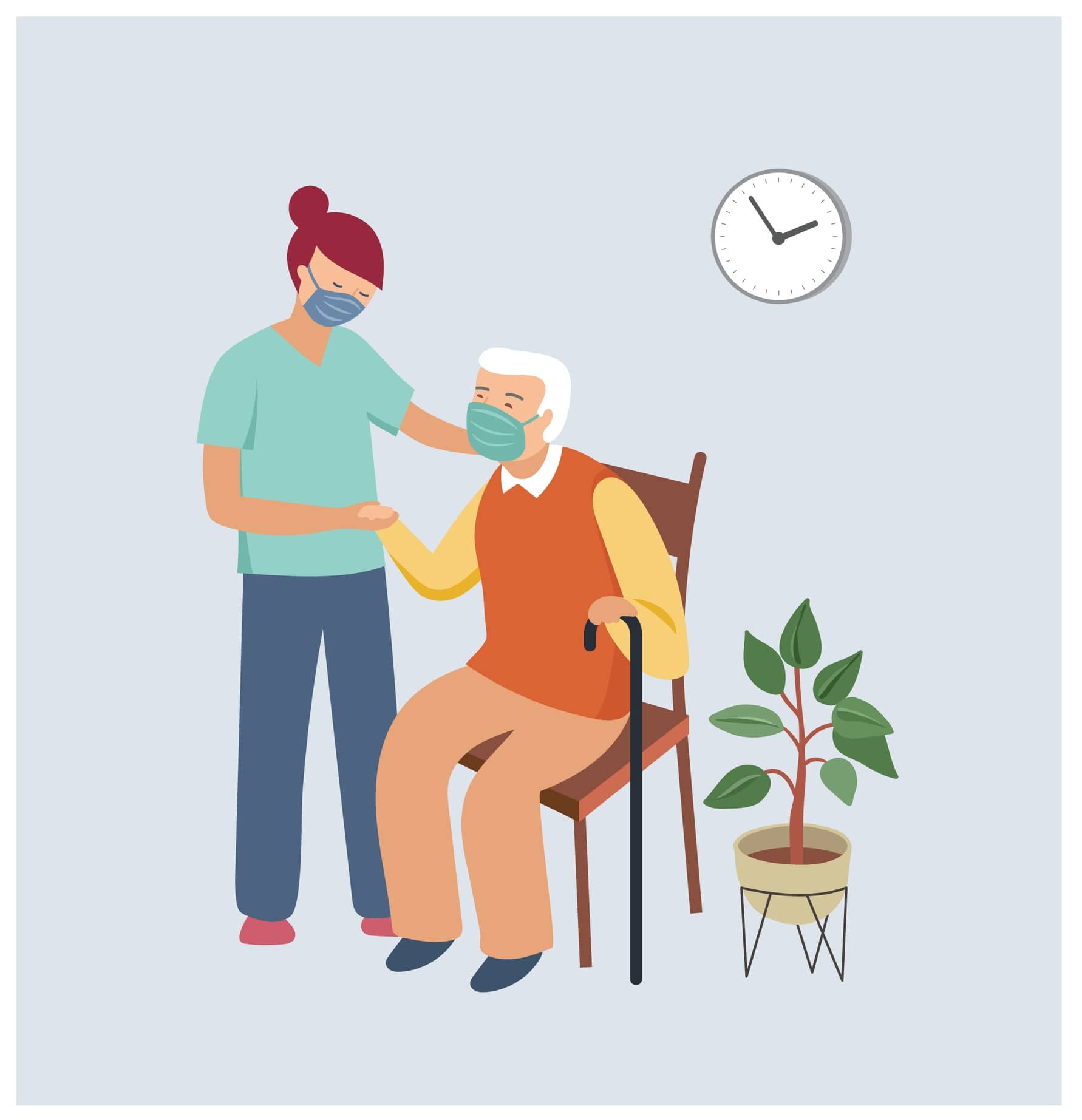
High vaccinated rate promotes herd immunity
Fact: Even healthy people can get seriously ill from the flu. More importantly, vaccination protects vulnerable groups, infants, elderly, cancer patients, and those who cannot be vaccinated, through herd immunity. Healthy adults can be “silent spreaders,” having mild symptoms but passing the virus to high-risk individuals.
Myth #4: “I only need one flu shot in my lifetime.”
Fact: This is not enough. The flu vaccine must be taken every year. One dose in a lifetime cannot provide ongoing protection. Flu viruses change every year, and your immunity fades over time. Only the current seasonal vaccine can offer effective protection.
Myth #5: “Antibiotics can treat the flu or a cold.”
Fact: Antibiotics do not work for colds or the flu because both are caused by viruses, while antibiotics only treat bacterial infections. Misusing antibiotics can lead to:
- Antibiotic resistance (superbugs)
- Unnecessary side effects like diarrhea, nausea, rashes, or severe allergic reactions
- Disruption of healthy gut bacteria
- Delayed proper treatment, such as missing the need for antiviral medication
Getting a flu shot each year is the best way to prevent the influenza.
Myth #6: “Cold weather or getting chilled causes a cold.”

It’s not the “cold weather” that makes you sick, but exposure to the virus when your immunity is temporarily weaker.
Fact: A cold is caused by a virus, and you must come into contact with the virus to get infected. So it’s not the “cold weather” that makes you sick, but exposure to the virus when your immunity is temporarily weaker. Flu and colds are more common in winter because people spend more time indoors, the air is drier, and viruses survive longer, not because low temperatures directly cause illness.
Myth #7: “If I’ve never had the flu, I don’t need the vaccine.”
Fact: Not getting sick in the past may simply mean you were lucky, had limited exposure, or your immune system happened to fight off the virus at the time. This does not guarantee future protection. The flu virus changes every year, so even if you’ve never had it before, you can still get infected by new strains. Annual vaccination is the best way to reduce your risk and protect others.
Myth #8: “Natural remedies (like vitamin C or echinacea) can prevent or cure the flu.”
Fact: There is no strong evidence that supplements or natural remedies can prevent or cure influenza. The only proven prevention method is the annual flu vaccine, and the only proven treatment is antiviral medication prescribed by a healthcare professional.
Myth #9: “I can’t spread the flu unless I feel sick.”

Not just sick people, healthy adults can also be “silent spreaders,” that have mild symptoms but pass the virus to high-risk individuals.
Fact: For flu, you can spread the virus 1 day before symptoms start and up to 5~7 days after becoming sick (longer in children). For common colds, you’re most contagious in the first 2~3 days but may spread it before feeling ill.
Stay home when sick and practice hand hygiene even when you feel fine during flu season!
Myth #10: “Stomach flu is influenza.”
Fact: Despite the name, “stomach flu” is not influenza. It is usually viral gastroenteritis, caused by viruses like norovirus or rotavirus, affecting the stomach and intestines. Symptoms such as nausea, vomiting, and diarrhea are not typical flu symptoms in adults (though they can occur in children).
Influenza primarily affects the respiratory system.
Myth #11: “Once flu season peaks, I don’t need the vaccine.”
Fact: Flu season can last until May in the Northern Hemisphere, with peaks between December and February, but activity often continues. As long as flu viruses are circulating, vaccination still provides protection. It’s never too late to get vaccinated during flu season!
Myth #12: “I don’t need a flu shot every year.”
Fact: Flu viruses mutate frequently, and immunity from previous vaccination or infection wanes over time. Annual vaccination is needed to match current circulating strains and maintain protection.
Myth #13: “I get the flu shot every year, but I still catch colds. The vaccine doesn’t work for me.”
Fact: The flu vaccine only protects against influenza viruses, it does not prevent the common cold, which is caused by other viruses such as rhinoviruses or coronaviruses. Even if you do get influenza, people who are vaccinated usually experience milder symptoms, shorter illness duration, and fewer complications.
Myth #14: “I can sweat out a cold with a workout.”

A cold is caused by a virus, and your immune system removes it, not sweating.
Fact: A cold is caused by a virus, and your immune system removes it, not sweating. Exercising while sick may even make symptoms worse. Getting enough sleep, staying hydrated, and eating well are the keys to helping your immune system recover.
Myth #15: “Flu shots only work if they’re a perfect match.”
Fact: Even when the vaccine isn’t a perfect match, it still helps reduce severe illness, hospitalization, and death.
Myth #16: “Flu season only happens in winter.”
Fact: Flu is most common in winter in temperate regions, but it can occur in other seasons and can spread year‑round in tropical areas. Winter conditions that help flu spread include:
- Cold, dry air that keeps the virus stable and lets droplets travel farther
- More time spent indoors in crowded, enclosed spaces
- Less sunlight and lower vitamin D levels, which may affect immunity
- Reduced nasal defenses in cold air
Nevertheless, influenza can spread in any season whenever there is crowding, poor ventilation, or close contact with infected people.
Myth #17: “Natural immunity is better than vaccination.”
Fact: The flu vaccine provides safe, controlled protection that is tailored to the viruses circulating each season. Natural flu infection comes with high risks, and the immunity it creates is not necessarily better.
Myth #18: “My child has asthma, so he can’t get vaccinated.”
Fact: Asthma is not a contraindication for vaccination. In fact, children with asthma are strongly advised to receive the inactivated flu vaccine because respiratory infections pose higher risks for them. Most asthma triggers, such as dust mites, pollen, pet dander, and mold, are unrelated to vaccines.

Common symptoms of asthma
Myth #19: “Pregnancy is not suitable for flu vaccination.”
Fact: A flu shot during pregnancy reduces the risk of severe illness from flu by about 40~50% and provides passive immunity to your baby for the first several months after birth. Inactivated (injectable) flu vaccines are safe and recommended during any trimester.

Pregnant women are among the priority groups recommended for flu vaccination.
Myth #20: “My kid still catches colds after getting vaccinated, so the vaccine is ineffective.”
Fact: Flu vaccine is only for influenza prevention. Children may still catch colds after vaccination, but this does not mean the vaccine doesn’t work. The flu vaccine is important for protecting young children from severe illness, because:
- Their immune systems are still developing.
- Their airways are smaller, so infections can cause serious breathing problems.
- They cannot clearly express their symptoms, which may delay treatment.
- They shed viruses longer (up to two weeks) and can easily infect family members.

Myth #21: “I’m allergic (body type); I can’t get vaccinated.”
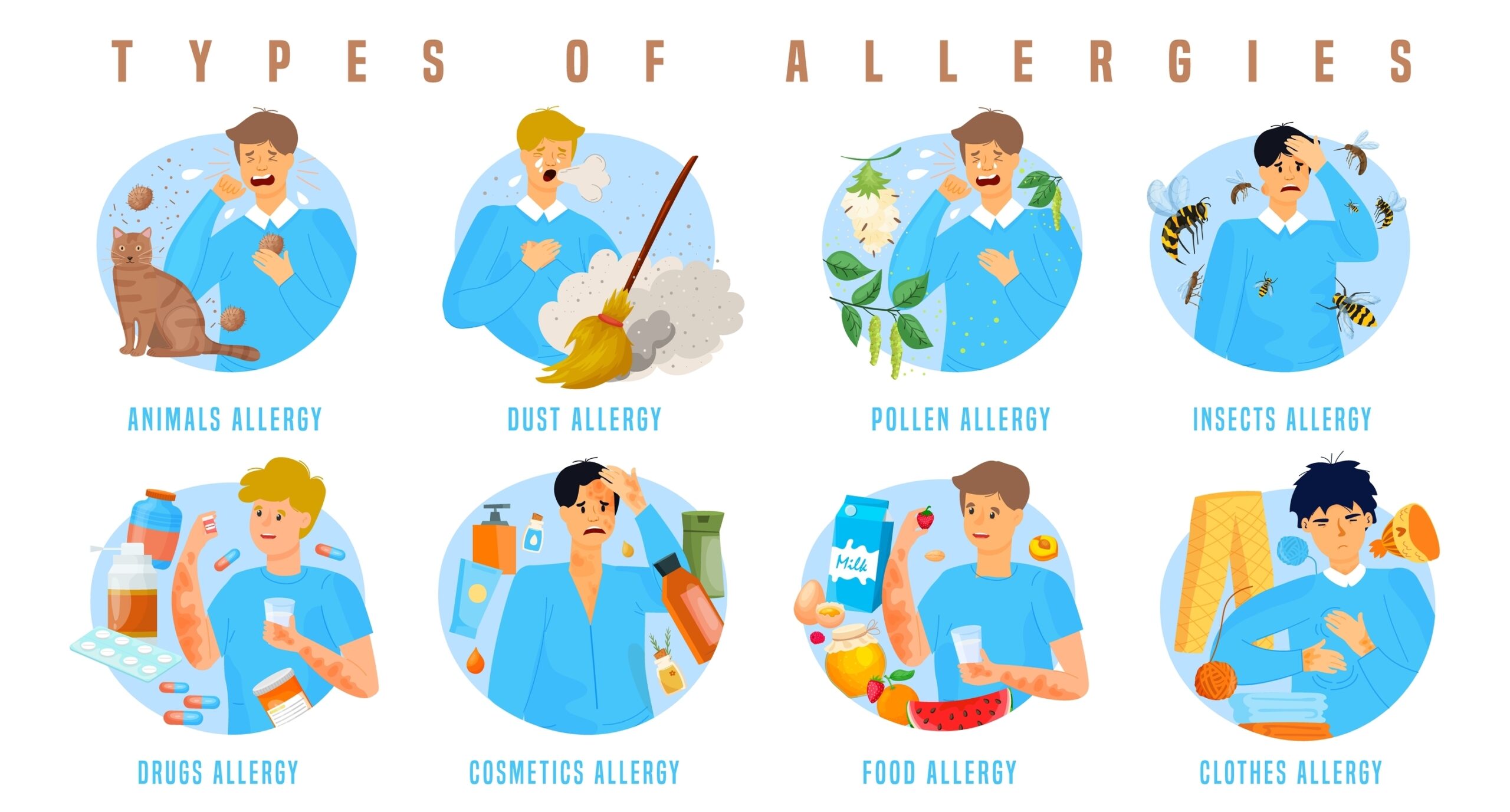
Fact: Most people with allergies, such as allergic rhinitis, eczema, asthma, food allergies, or dust mite and pollen allergies, can safely get the flu vaccine. Doctors strongly recommend it because these individuals have a higher risk of serious complications from the flu.
True allergies to vaccine ingredients are very rare, about 1~2 cases per million doses. People with allergies can get vaccinated at a hospital or clinic and stay for 15~30 minutes for observation. Signs of a severe allergic reaction (anaphylaxis) usually appear within minutes to a few hours after vaccination and may include:
- Difficulty breathing, wheezing, or hoarseness
- Swelling of the lips, face, tongue, or throat
- Hives or widespread rash
- Rapid heartbeat, dizziness, fainting, or feeling faint
- Nausea and vomiting
Myth #22: “Egg allergy is a contraindication for the flu shot.”
Fact: This is a common but outdated belief. As of 2025, major health authorities state that people with egg allergies, even those who had severe reactions, can safely receive the flu vaccine without special precautions or skin testing. If you are still concerned, you can choose egg‑free options such as cell‑based or recombinant vaccines. Protecting yourself is far more important than worrying about an extremely low risk.