 English

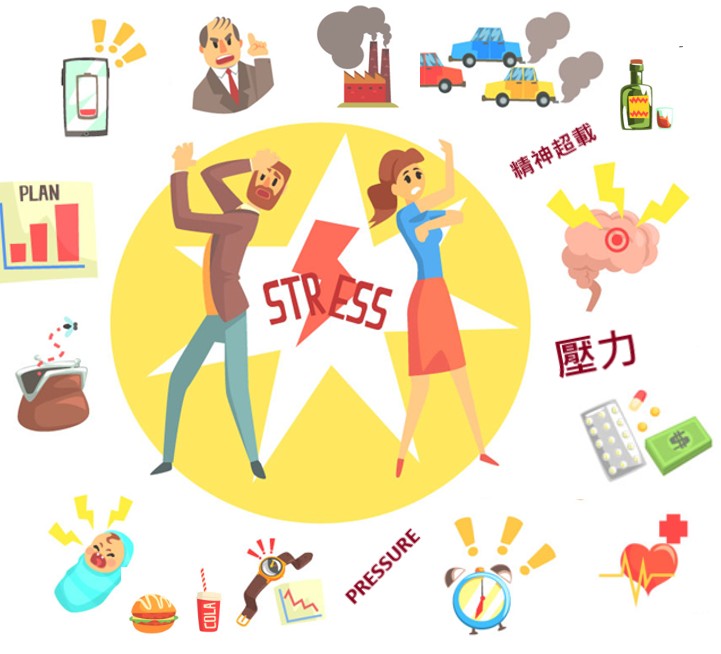
There’s a lot of confusing advice about stress, so let’s clear up some common misunderstandings. Knowing the truth behind these myths can help you feel less ashamed, treat yourself with more compassion, and choose healthier ways to manage stress. And if stress ever becomes overwhelming, reaching out to a mental‑health professional is always a wise and positive step forward.
Myth #1: “Stress is always bad.”
Truth: Good stress helps you grow, such as:
- Learning a new skill that challenges your brain
- Starting a new job or project that pushes you out of your comfort zone
- Training for a sport or fitness goal that strengthens your body
- Facing a meaningful challenge that builds confidence and resilience
 Bad stress, however, happens when pressure becomes more than your mind or body can handle. Instead of motivating you, it drains your energy and wears you down. It’s also important to remember that a life with absolutely no stress wouldn’t feel meaningful or stimulating. The key is finding the right balance, enough stress to help you grow, but not so much that makes you overwhelm.
Myth #2:“If you’re stressed, you’re weak or not coping well.”
Truth: Stress is NOT a character flaw. Stress responses come from your body’s biological survival system, not from personal weakness. Even strong, capable, and successful people experience high levels of stress. Resilience isn’t something you’re born with, it’s something you build over time. And being resilient simply means you know how to recover, reset, and keep going.
Myth #3: “Stress is just in your head.”
Truth: Stress doesn’t only affect your mind; it lives in your body too. It can show up in your heart (fast heartbeat, high blood pressure), your gut (stomachaches, digestion issues), your muscles (tension, pain), and even your skin (breakouts, rashes). Stress is a whole‑body experience, not just a mental one.

Myth #4: “If I don’t feel stressed, I’m not stressed.”
Truth: Stress can be silent. Chronic stress often shows up in the body first, through headaches, fatigue, digestive issues, muscle tension, or changes in sleep. It can also appear in behavior, such as irritability, forgetfulness, or feeling “numb.” Some people suppress or normalize these signals, which can lead to burnout without realizing stress was building up.
Myth #5: “Only major life events cause significant stress.”
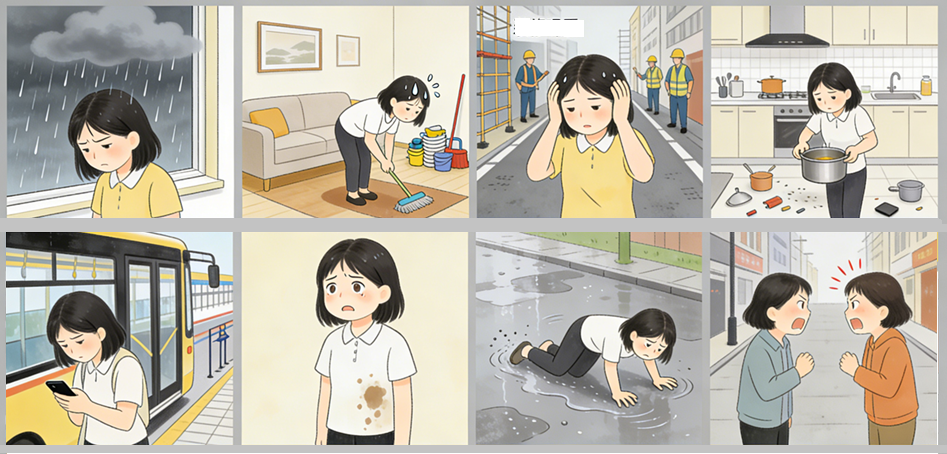
Truth: Daily hassles matter often more than we think. Research shows that “micro‑stressors” like traffic, overflowing emails, time pressure, or minor conflicts can build up and affect your health just as much as, or even more than, rare major events. These small stressors feel harder to manage, because they happen constantly and feel outside your control.
Myth #6: “Stress causes ulcers, heart disease, bowel issues, and skin problems directly.”
Truth: Stress can make these conditions worse, but it usually doesn’t cause them on its own. Chronic stress affects the body by:
- Raising cortisol and inflammation, which strains the heart
- Disrupting sleep and immunity, making the body more reactive
- Affecting behaviors like overeating, smoking, or inactivity
- Triggering flareups in existing conditions (IBS, eczema, acne, etc.)
- Most health problems develop from a mix of genes, lifestyle, environment, and stress, not stress alone.
Myth #7: “I can’t control my stress; I’m going to go crazy.”
Truth: Feeling overwhelmed doesn’t mean you’re “going crazy.” It means your stress level is temporarily too high, something every person experiences at times. Intense stress can make your thoughts race, your heart pound, or your emotions feel out of control, but these reactions are temporary, common, and manageable. 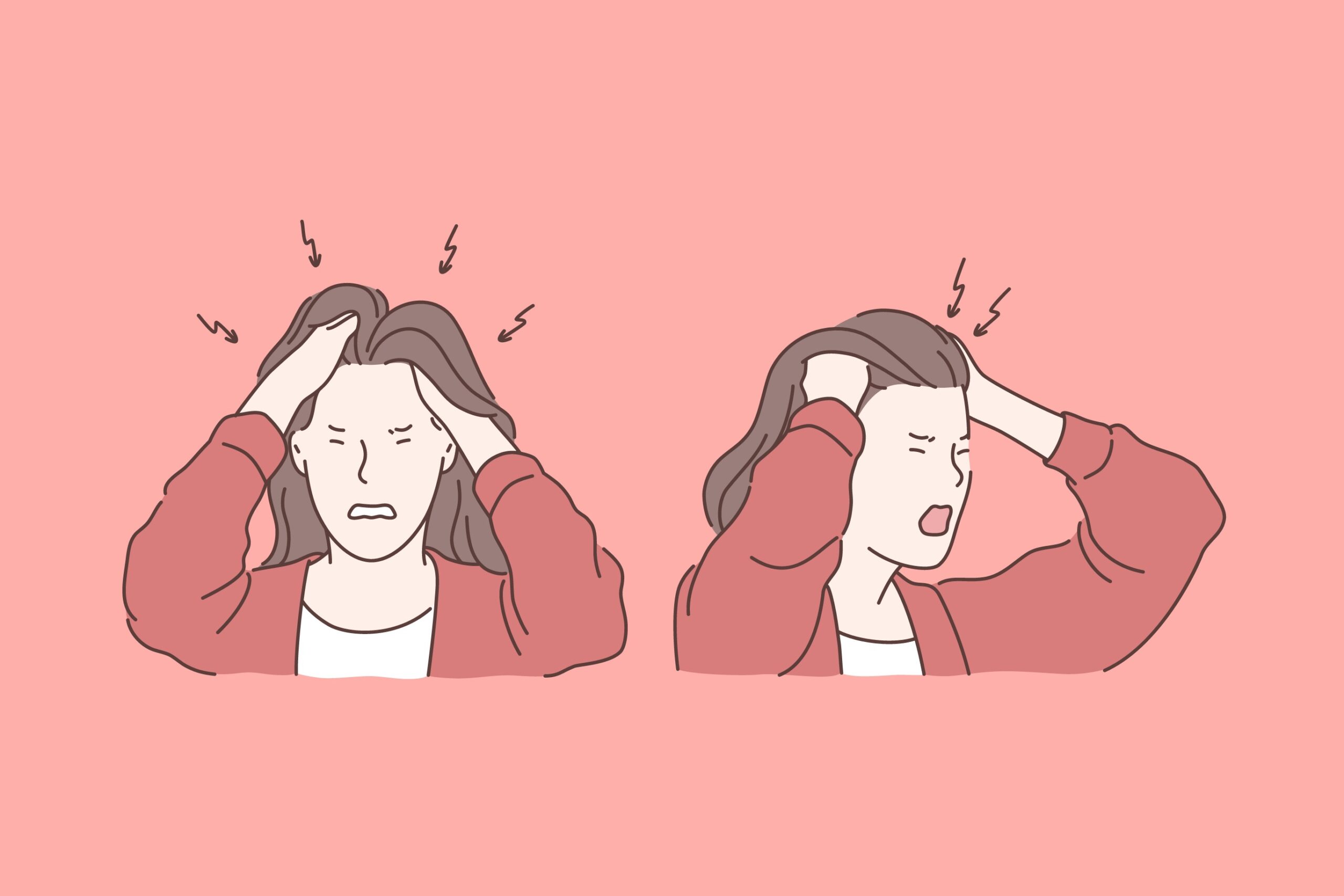
No one can control stress perfectly. What you can control are the small steps you take to calm your body, regulate your emotions, and ask for help when needed. With breathing exercises, short breaks, movement, rest, or support from others, stress becomes something you can handle, not something that takes over.
Myth #8: “If I ignore stress, it will go away.”
Truth: Ignoring stress usually makes it build up, not disappear. Stress often shows up in the body, through headaches, tension, stomach issues, irritability or trouble sleeping, until it gets your attention. Addressing stress early with rest, coping skills, or support helps prevent burnout and keeps it from becoming overwhelming.
Myth #9: “Kids don’t experience real stress.”
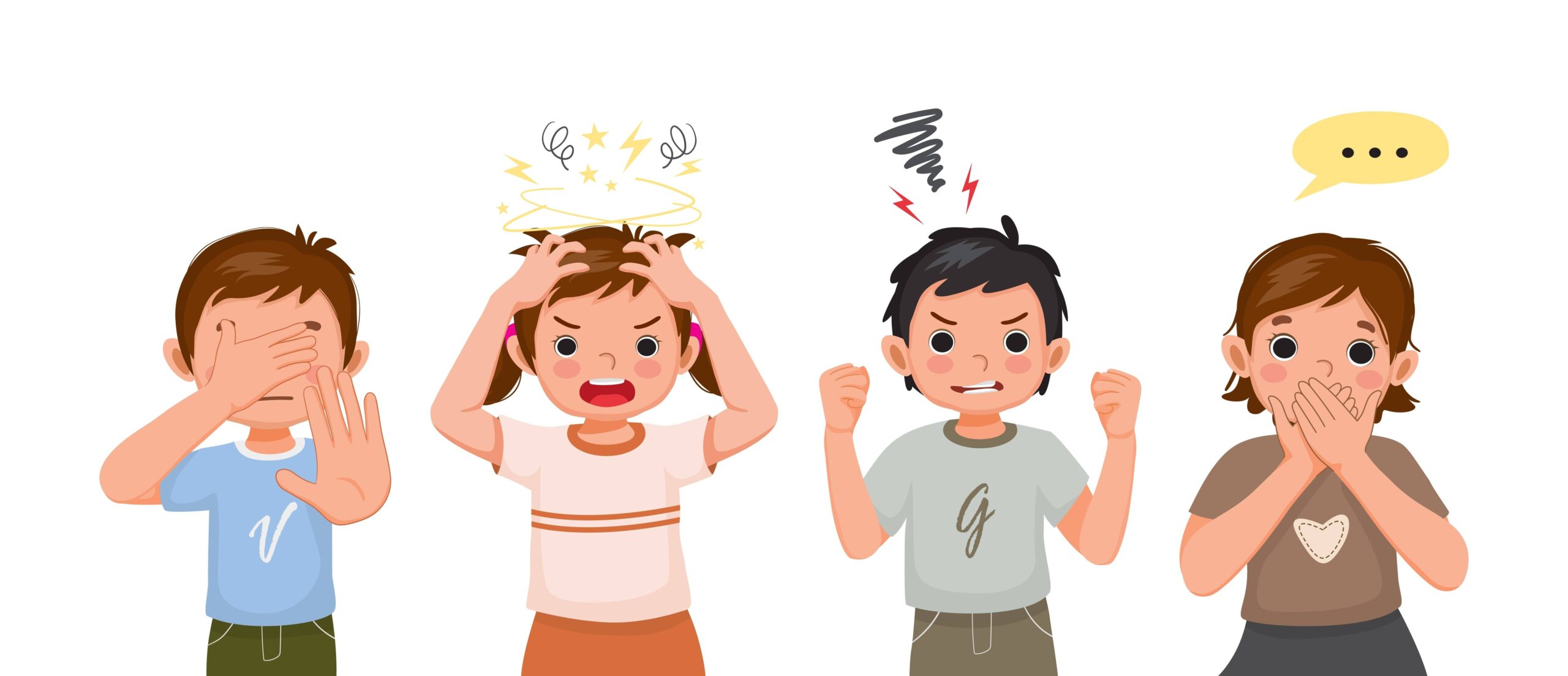
Truth: Children feel stress deeply. Academic pressure, friendship issues, family changes, and even small daily challenges can affect their developing brains and bodies. Early or ongoing stress can impact a child’s ability to regulate emotions and may influence their long‑term health and wellbeing.
Myth #10: “I can eliminate all stress.”
Truth: You can’t and you shouldn’t try. Life is always changing, and every change brings some level of stress. Trying to remove every trace of it usually creates even more pressure. The real goal is to manage stress, not get rid of it entirely; to find balance, not perfection.
Myth #11: “Stress management means eliminating stress.”
Truth: The goal is resilience, not elimination. Stress is a natural and unavoidable part of life. Effective stress management focuses on:
- Building coping skills
- Adjusting your mindset and perceptions
- Creating regular recovery time
- Setting healthy boundaries
In other words, it’s about handling stress better, not trying to erase it completely.

Myth #12: “Stress can’t be controlled.”
Truth: You may not be able to control every stressful event, but you can influence how your mind and body respond. Many simple habits can make stress feel more manageable, such as:
- Taking a few deep breaths
- Exercising or moving your body regularly
- Giving yourself enough rest
- Setting healthy boundaries
- Talking with someone you trust
These small actions can help reduce your sense of stress and bring your mind and body back to a steadier state. Stress management isn’t something you naturally know how to do, it’s a skill that develops and improves with practice. As you keep adjusting and trying different strategies, you’ll realize that you have much more control than you think.

Myth #13: “Stress can be treated like a disease.”
Truth: Stress itself is not a disease; it’s a natural biological response. You can’t “cure” stress the way you treat an infection or a bone fracture. Instead, stress needs to be managed, not eliminated. Effective stress care focuses on:
- Understanding your triggers
- Building healthy coping habits
- Supporting your body through rest, movement, and nutrition
- Creating recovery time
- Seeking help when stress becomes overwhelming
Stress isn’t something you treat once. It’s something you learn to handle in healthier ways over time.
Myth #14: “My friend said a certain self‑care method works for her stress, so it must work for me too.”
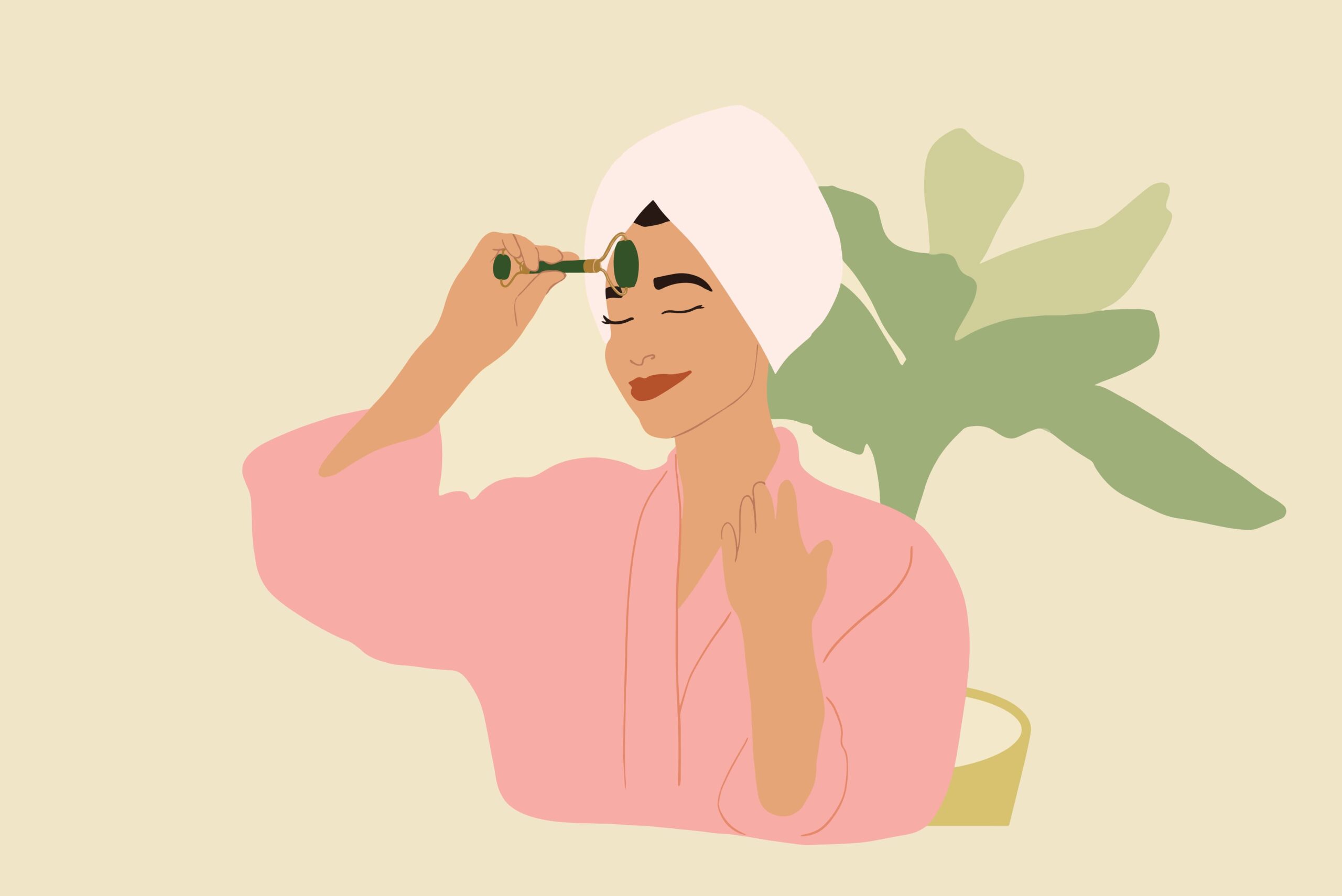
Truth: There is no one‑size‑fits‑all approach to managing stress. What helps one person, like journaling, exercise, meditation, or herbal tea, might not work the same for you. Everyone’s body, personality, lifestyle, and stress triggers are different. The key is to experiment, try different approaches, and find what truly helps your mind and body relax. Your way of coping doesn’t need to look like anyone else’s to be effective.
Myth #15: “Relaxation techniques only work if you have lots of time.”
Truth: Short moments count. Just 60 seconds of deep breathing, a 3‑minute body scan, or a quick walk can help calm your nervous system. What matters most is consistency, not length; small, regular practices build real resilience. Beneficial relaxation techniques include:
- Deep breathing (even 1-minute helps)
- Progressive muscle relaxation (tensing and releasing muscles)
- Short mindfulness or body‑scan exercises
- Stretching your neck, shoulders, or back
- A brief walk to reset your body and mind
- Listening to calming music or nature sounds
- Using grounding techniques (like noticing 5 things you can see)
- Sipping warm tea and slowing your breathing
Just try to find your best practice and make it a routine.
Myth #16: “The most popular stress remedy must work for me.”
Truth: Stress remedies become popular because they help many people, but everyone’s body reacts differently. People have different personalities, stress triggers, lifestyles, health conditions, and habits. Something that is “top‑rated” or “most recommended” may help you or it may not and that’s completely normal. For example, herbal tea calms some people but has no effect on others; exercise is great for stress relief, but someone with chronic pain may find it stressful instead.
Myth #17: “People experience the same about stress and suffering.”
Truth: Everyone experiences stress differently. What overwhelms one person might feel manageable to another, and both reactions are valid. Stress is shaped by many factors, like personality, past experiences, support systems, and current life pressures. There is no single “normal” way to feel stressed. Your experience is real, even if others respond differently.

Myth #18: “I don’t like to talk about my stress because others won’t understand.”
Truth: It’s common to feel this way, but silence often makes stress heavier to carry. Even if people may not fully understand your exact experience, it doesn’t mean they can’t support you. Everyone handles stress differently, and others might simply not know what you need unless you share it. Opening up, even a little, can help you feel less alone, and talking to someone trained to listen, like a counselor or therapist, can provide the understanding and support you deserve.
Myth #19: “Since it’s the stress hormones in my body that make me suffer, I can take ‘something’ for quick relief.”
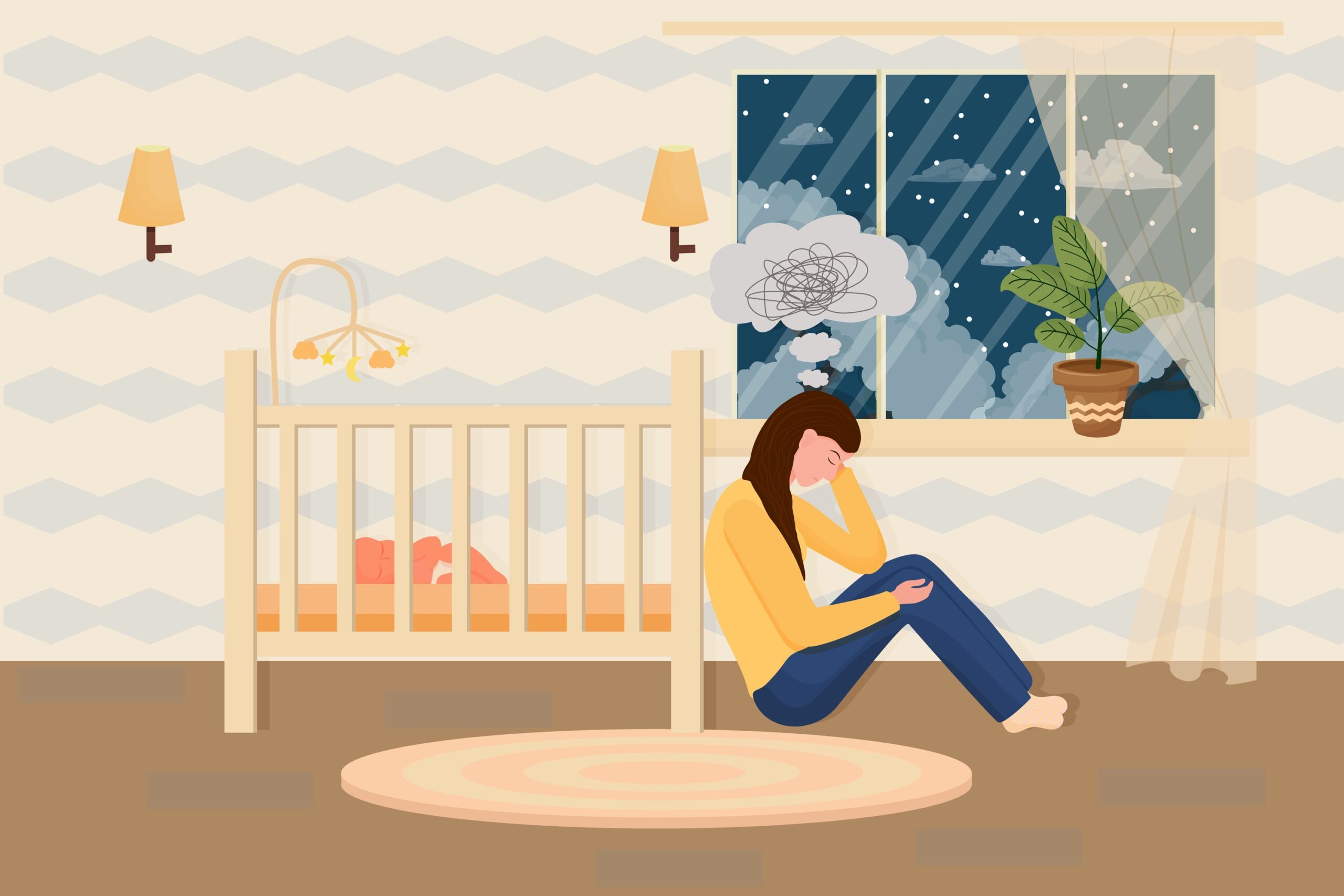
Truth: There is no safe “quick pill” or supplement that can instantly clear stress hormones. Hormones like cortisol and adrenaline cannot be flushed out by any medication or supplement; they are naturally broken down by your body over time. Moreover, they will continue to rise if you don’t address the stress response itself.
Myth #20: “Stress and anxiety are the same thing.”
Truth: Stress and anxiety disorder may look similar, but they are not the same. Stress is the body’s normal reaction to external situations, like deadlines, conflicts, or major life changes. Once the situation is over, stress usually fades on its own. Anxiety disorder work differently, even when the stressful situation is gone, the anxiety can continue. Sometimes it appears without any clear reason. Compared with stress, anxiety disorders tend to involve long‑lasting, repeated worry and tension. Both experiences are real and important to pay attention to. If anxiety is affecting your daily life, talking to a professional can be a meaningful and helpful step.
If you think you might have a mental health concern, it’s important to get a proper assessment from a professional. Experts use clinical interviews, standardized questionnaires, and observations over time to avoid mistakes that come from relying only on personal feelings.
You shouldn’t diagnose yourself based on online information or other people’s experiences; this can easily lead to misunderstanding for your situation. Likewise, denying your struggles because you fear labels, or worrying too much and treating normal emotional ups and downs as a problem, can both affect an accurate evaluation.
Stress 101: Understand Body’s Alarm System

