English
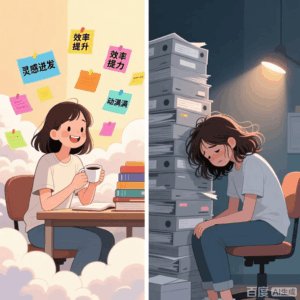
Modern stress is not just about having too many tasks. It happens when the demands of life are greater than the resources we have to cope with them for a long period of time. Managing stress is not about eliminating negative feelings, but about creating a healthier balance and building stronger support around us.
People do not respond to stress in the same way. Faced with the same exam, work deadline, or unexpected problems, one person may feel overwhelmed and lose sleep, while another may remain calm and handle the situation well. This difference is influenced by many factors, including personality, ways of thinking, physical health, past experiences, social support, and overall mental well-being. Therefore, there is no standard stress response, and effective stress management must be personalized.
Although stress is not classified as a distinct disease in Traditional Chinese Medicine (TCM), its associated responses, including anxiety, irritability, insomnia, and depression, are well recognized. Through thousands of years of clinical practice, TCM has accumulated rich experience in the assessment and treatment of these conditions.
In TCM, stress is not considered a disease in itself but rather a pattern of interconnected physical and psychological responses that affect the body-mind system. As stress develops, it can affect different aspects of health and lead to a variety of disharmonies such as qi stagnation, yin deficiency, or an unsettled mind (shen disturbance). The presentations can range from mild emotional distress to more serious systemic disorders.
Below are the five TCM conditions that are most closely related to stress:
- Stagnation syndrome (yu zheng): a TCM condition caused by prolonged emotional distress, such as work-related stress, interpersonal conflicts, or other persistent psychological pressures. In TCM, these emotional disturbances impair the smooth flow of qi (vital energy), leading to dysfunction of organ systems. Individuals often experience a low mood, irritability, tightness in the chest and rib area, a lump in the throat, poor appetite, and irregular menstrual periods. Among the TCM conditions, stagnation syndrome is considered the most closely related to modern stress-related problems.
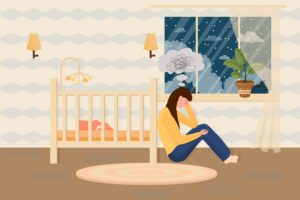
A low mood is one of the common stress-related problems.
- Hysteria disorder (zang zao) was first described in the TCM classic Treatise on Cold-induced and Miscellaneous Diseases (shang han za bing lun). This condition is associated with prolonged emotional stress and excessive worry. Over time, these factors deplete the body’s yin and blood, impairing the nourishment of the spirit (shen) and disrupting emotional balance. Individuals may experience unexplained sadness, frequent crying, emotional sensitivity, irritability, restlessness, insomnia, and vivid dreams. Hysteria disorder is a classic TCM description of emotional disturbances arising from the long-term stress and excessive mental exertion.
- Lily disease (bai he bing): a TCM condition that may develop after a major illness or prolonged emotional stress. It is associated with yin deficiency of heart and lung, affecting both physical and mental well-being. Individuals often experience wanting to eat but having little appetite, feeling tired but unable to sleep, difficulty concentrating or thinking clearly, indecisiveness, feeling hot despite having a normal body temperature, emotional instability or mental restlessness, feeling disconnected from one’s thoughts, emotions, or physical condition. Although there is no exact equivalent in modern medicine, Lily Disease is often compared to conditions involving chronic stress, post-illness fatigue, or autonomic nervous system dysregulation, where physical and psychological functions seem out of sync.
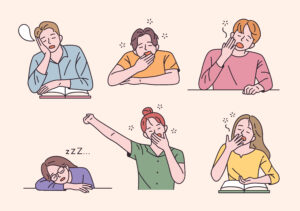
- Insomnia: Insomnia in TCM is more than simply difficulty falling asleep. It refers to a range of sleep disturbances caused by imbalances within the body. Common problems include difficulty falling asleep, light or restless sleep, frequent waking during the night, excessive dreaming, palpitations, being easily startled during sleep, and waking up feeling tired and unrefreshed. Insomnia is one of the most common stress-related problems, reflecting how emotional strain and mental overload can disrupt the body’s natural sleep-wake cycle and affect overall well-being.
- Running piglet qi (ben tun qi): a unique syndrome that was first recorded more than 2500 years ago; the term “running piglet” refers to the sensation of a surge of qi that suddenly rises from the lower abdomen to the chest or throat. During an episode, individuals may experience a rapid heartbeat, chest tightness, shortness of breath, cold sweating, intense fear, and a feeling of impending doom. It is often compared to a modern panic attack and represents a classic TCM description of an acute stress-induced anxiety episode.
From a holistic perspective, TCM views stress not as a single, isolated illness, but as an ongoing process of dynamic change within the body and mind. Depending on factors such as personality, life experiences, physical health, emotional resilience, and available support, individuals may experience and express stress in very different ways. As a result, there is no single treatment that works for everyone. Effective stress management requires an individualized, mind-body approach that addresses each person’s unique pattern of imbalance.
Restoring balance, strengthening resilience, and supporting overall well-being form the foundation of TCM stress care.