 English


Common colds are mild, self-limiting viral infections of the upper respiratory tract with short incubation and contagious periods. In contrast, influenza (flu), caused by influenza viruses, is more severe, spreads rapidly, presents abruptly, and carries a significant risk of complications in vulnerable groups. Prevention for cold focuses on hygiene and symptom relief, while flu prevention relies heavily on annual vaccination and prompt antiviral treatment when needed.
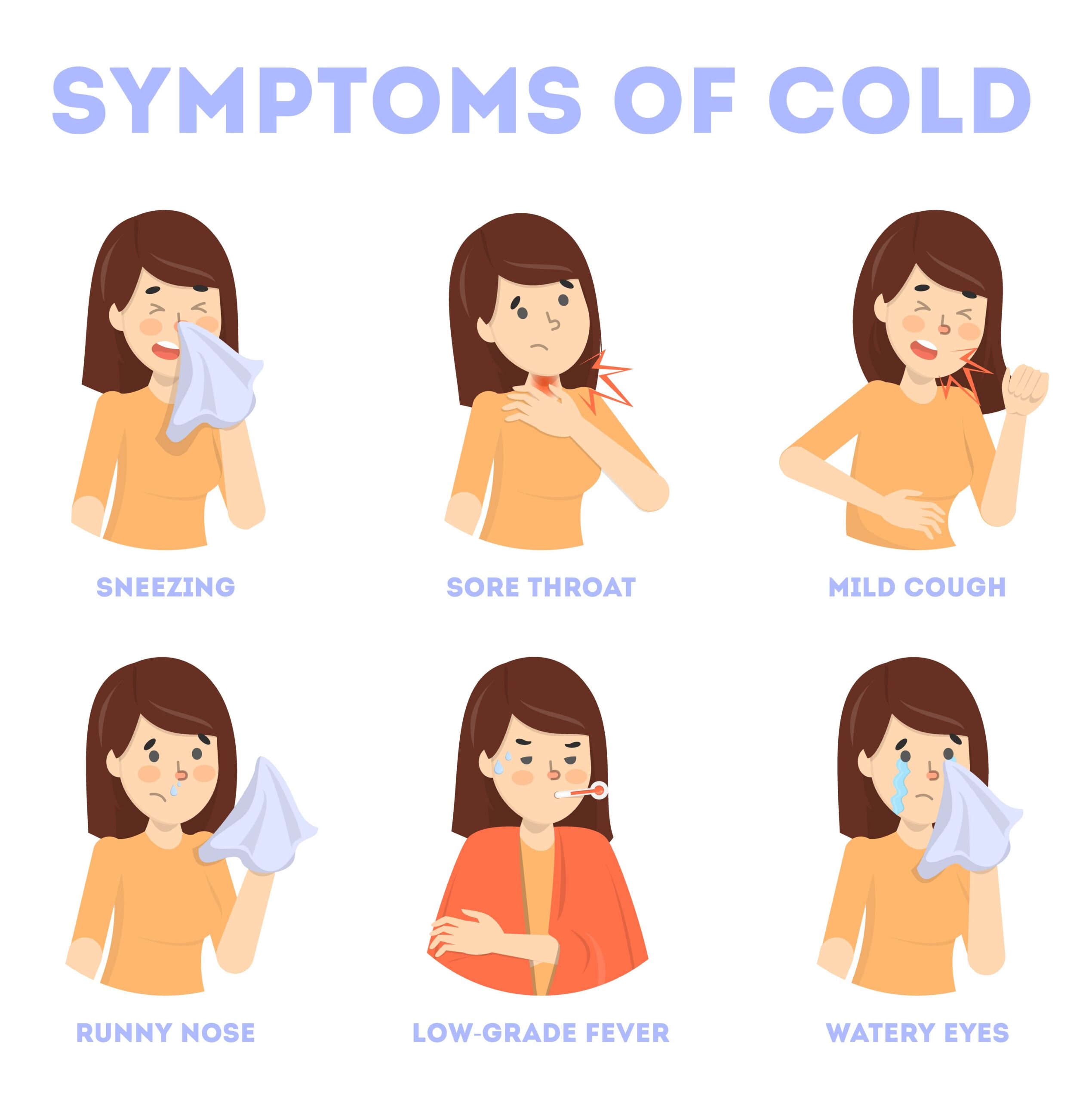
Common colds are mild viral infections of the upper respiratory tract.
“Seasonal influenza” refers to flu outbreaks that occur during specific times of the year, mainly from autumn to early spring, and are caused mainly by influenza A and B viruses. Seasonal influenza has the following features:
- It recurses every year, typically from October to May in the Northern Hemisphere, with peaks from December to February.
- Because the virus undergoes small, gradual changes (antigenic drift), the vaccine must be updated annually.
- Unlike pandemic flu, seasonal flu is caused by known virus strains that continue to circulate in the population, so most people have some degree of immunity from past infections or vaccination.
The World Health Organization (WHO) recommends annual flu vaccination for specific high-risk groups to reduce severe illness and complications. These groups include:

Annual flu vaccination for specific high-risk groups can reduce severe illness and complications.
- Children aged 6~59 months
- Pregnant women
- People with chronic medical conditions such as heart disease, lung disease, and metabolic illnesses
- Older adults 65 years or above
- Health workers
However, flu vaccination rates vary significantly around the world. For example:
- United States: High coverage, supported by strong public health policies, convenient access, and broad cultural acceptance.
- Hong Kong: Moderate coverage, influenced by public perception and voluntary participation.
- China: Low coverage, mainly due to limited public funding, lower awareness, and disparities between urban and rural areas.
Keeping health knowledge up to date and debunking myths about cold and flu can help people make informed health decisions, protect their loved ones, and use medical resources wisely.
-
- What is flu virus?
- Are flu and cold viruses the same?
- Why are flu and cold so common?
- Which is more widespread: flu or cold?
- Do flu and cold viruses only attack respiratory track?
- How cold and flu spread from person to person?
- How fast can flu viruses start an infection?
- How contagious are the cold and the flu?
- What are the effective self-care tips for common colds and flu?
- What are the flu test kits for home use and how effective are they?
- Why do people often catch a cold or flu after traveling?
1. What is flu virus?
The influenza virus is a contagious pathogen that infects the respiratory tract. There are four types of influenza viruses: A, B, C, and D. They share a similar overall structure but differ significantly in host range, genetic makeup, surface proteins, and clinical impact:

- Influenza A: Infects humans and animals; responsible for about 75% of seasonal flu cases; most likely to cause pandemics.
- Influenza B: Primarily infects humans; accounts for about 25% of seasonal outbreaks; can be more severe in children under 5, sometimes causing seizures or gastrointestinal symptoms.
- Influenza C: Causes mild illness and is less common.
- Influenza D: Affects cattle but does not infect humans.
These viruses are typically spherical, with a diameter of about 80~120 nanometers (nm), which equals 0.00008~0.00012 millimeters (mm).
2. Are flu and cold viruses the same?
No, flu and cold viruses are not the same.
| Flu (Influenza) | Common Cold |
| Caused by influenza viruses (types A, B, C) | Caused mainly by rhinoviruses, but also coronaviruses and others |
| Belongs to the Orthomyxoviridae family | Belongs to different virus families |
| Symptoms: sudden high fever, body aches, fatigue, dry cough, and headache | Symptoms: runny nose, sneezing, mild sore throat, low-grade or no fever |
| Can lead to serious complications like pneumonia | Usually mild and self-limit |
Key difference: Influenza is generally more severe and lasts longer. Flu symptoms appear suddenly, while cold symptoms develop gradually.
3. Why are flu and cold so common?
Flu and cold are among the world’s most common infections. There are biological, environmental, and behavioral factors that make them easy to spread.
- Too many virus types & mutations: The common cold is caused by over 200 virus types that constantly change, making broad immunity difficult. Flu viruses also mutate frequently, leading to seasonal reinfections.
- Easy transmission: Both flu and cold viruses spread via respiratory droplets, aerosols, and contaminated surfaces. Flu peaks in winter, while colds occur year-round with spikes in spring and fall.
- Weak or short-lived immunity: Immunity to cold viruses is type-specific, while flu immunity fades over time as new strains emerge each year.
- Environmental & social factors: Crowded indoor spaces, poor ventilation, cold/dry air, and inadequate hygiene all favor transmission. Global travel and dense populations further accelerate flu or cold spread.

4. Which is more widespread: flu or cold?
Common colds are more widespread than the flu in terms of total infections per year and year-round occurrence. Reasons include:
- Many virus types: Over 200 viruses cause colds, making broad immunity difficult.
- Mild symptoms: People often continue daily activities, spreading infections easily.
- No vaccine: Unlike flu, there is no vaccine for colds.
- Highly contagious: Rhinoviruses spread efficiently via hands and contaminated surfaces.
- Short incubation: Cold symptoms usually appear within 1~3 days. Infected individuals can spread the virus even before symptoms develop, and they quickly reach peak contagiousness, enabling the fast transmission cycle.
Although the flu infects fewer people than the common cold, it is far more dangerous. According to the WHO, seasonal influenza causes between 290,000 and 650,000 respiratory deaths worldwide each year and is associated with hospitalizations, complications such as pneumonia, worsening of chronic conditions, and the potential to trigger pandemics.
5. Do flu and cold viruses only attack respiratory track?
Not entirely. They mainly infect the nose, throat, and lungs, but can impact other parts of the body:
- Immune system: Causes fever and fatigue
- Muscles: Leads to aches and body pain
- Heart: Severe flu can cause myocarditis
- Brain: Rarely, flu may cause encephalitis
- Digestive tract: Some strains cause nausea or diarrhea, especially in children
Bottom line: Flu and cold viruses start in the respiratory tract but can affect multiple systems.
6. How cold and flu spread from person to person?
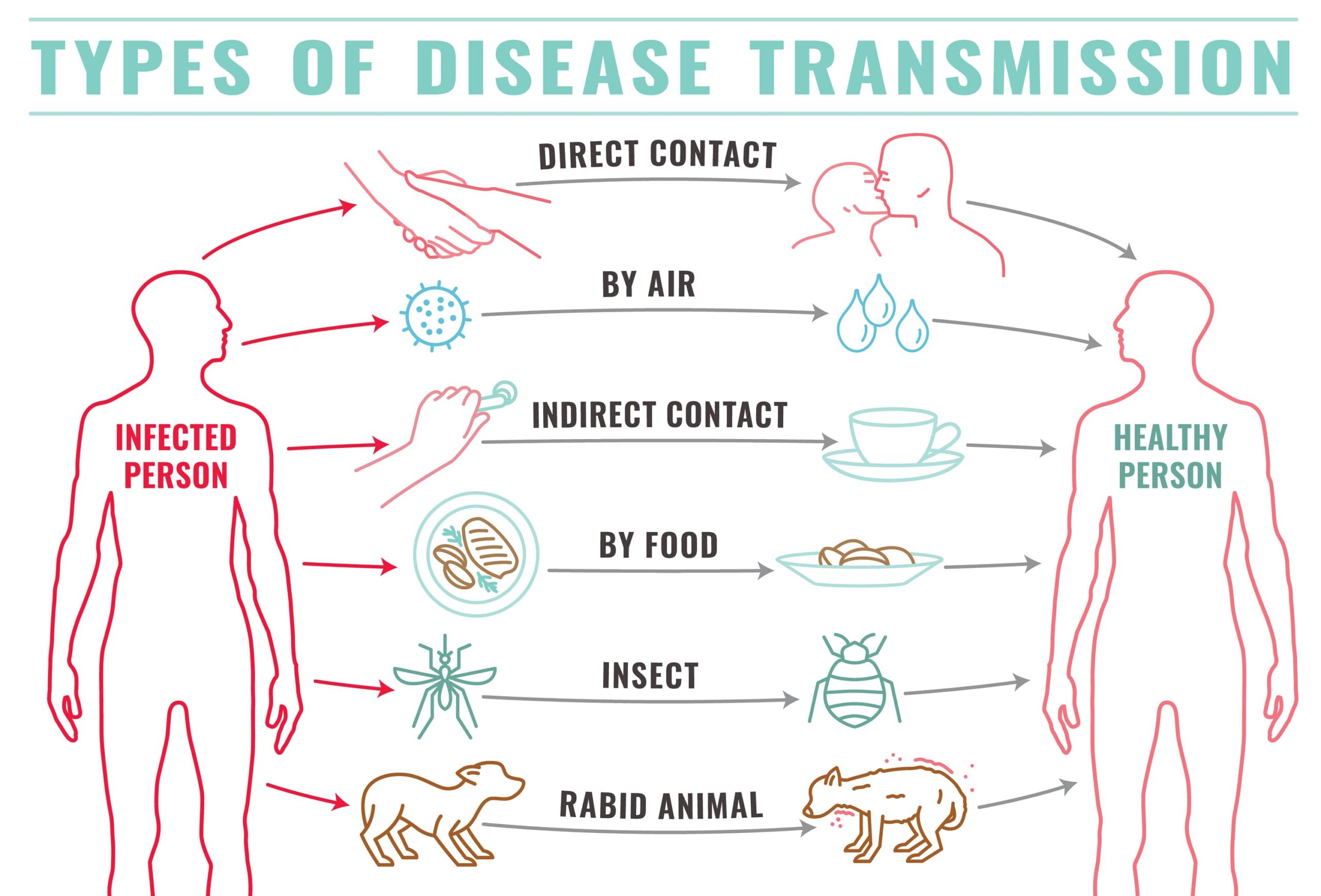
Both flu and cold are contagious and spread easily through:
- Respiratory droplets: From coughing, sneezing, or talking.
- Direct contact: Touching or shaking hands with an infected person.
- Contaminated surfaces: Touching objects with virus particles and then your face.
- Airborne particles: In crowded or poorly ventilated spaces, flu viruses can linger briefly in the air.
7. How fast can flu viruses start an infection?
The time it takes to develop flu symptoms depends on the incubation period, which is usually 1~4 days (about 2 days on average). After being exposed, by breathing in droplets or touching contaminated surfaces, symptoms can appear as soon as 1 day later, and most people start feeling sick around Day 2.
How the Flu Develops:
- Exposure: You come into contact with the influenza virus.
- Invasion: The virus enters cells in your nose, throat, or lungs.
- Replication: It multiplies quickly and releases more viruses.
- Immune response: Your body reacts, causing symptoms like fever, cough, sore throat, and muscle aches.
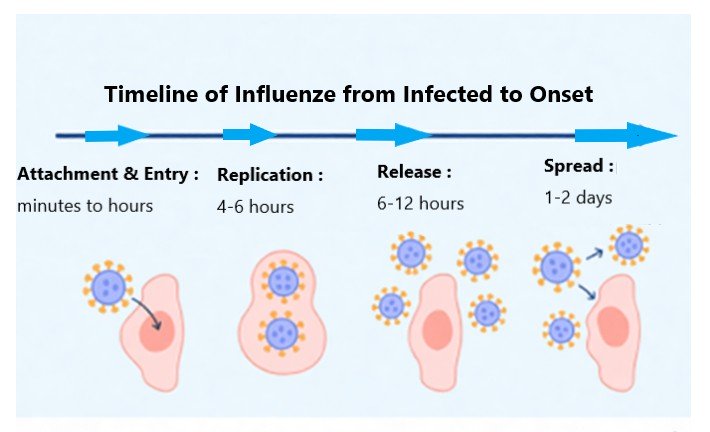
Cold and flu viruses usually have short incubation periods and replicate quickly, allowing the infection to spread rapidly within the body.
8. How contagious are the cold and the flu?
| Common Cold | Influenza (Flu) | |
| Infectious before symptoms | Yes, 1~2 days before symptoms appear | Yes, 1 day before symptoms appear |
| Peak contagiousness | Days 1~3 | Days 1~3 after onset |
| Infectious duration | 3~7 days (up to 2 weeks in children) | 5~7 days (over 10 days in children / weak immunity) |
| Main transmission mode | Contact + limited droplets | Mostly droplets (more efficient spread) |
| Overall transmissibility | Moderate | Strong / Higher |
| Asymptomatic spread | Yes | Yes, more pronounced |
Overall, the flu spreads more easily than the common cold because it:
- Releases more viruses, more quickly
- Spreads more efficiently through droplets
- Stays contagious longer in some people
- Causes larger and more frequent outbreaks
9. What are the effective self-care tips for common colds and flu?
- Rest: Get plenty of sleep and avoid strenuous activity.
- Stay hydrated: Drink water, herbal tea, or clear broths; warm fluids soothe the throat and loosen mucus.
- Relieve symptoms: Use saline spray or steam for congestion; gargle warm salt water for sore throat; take OTC pain relievers (paracetamol or ibuprofen) as directed.
- Comfort measures: Use a humidifier, keep warm, wear comfortable clothing and rest a quiet living environment.
- Nutritional support: Eat light, nutritious meals (soups, fruits, and vegetables); avoid alcohol and smoking.
- Prevent spread: Stay home, cover coughs and sneezes, and wash hands frequently.
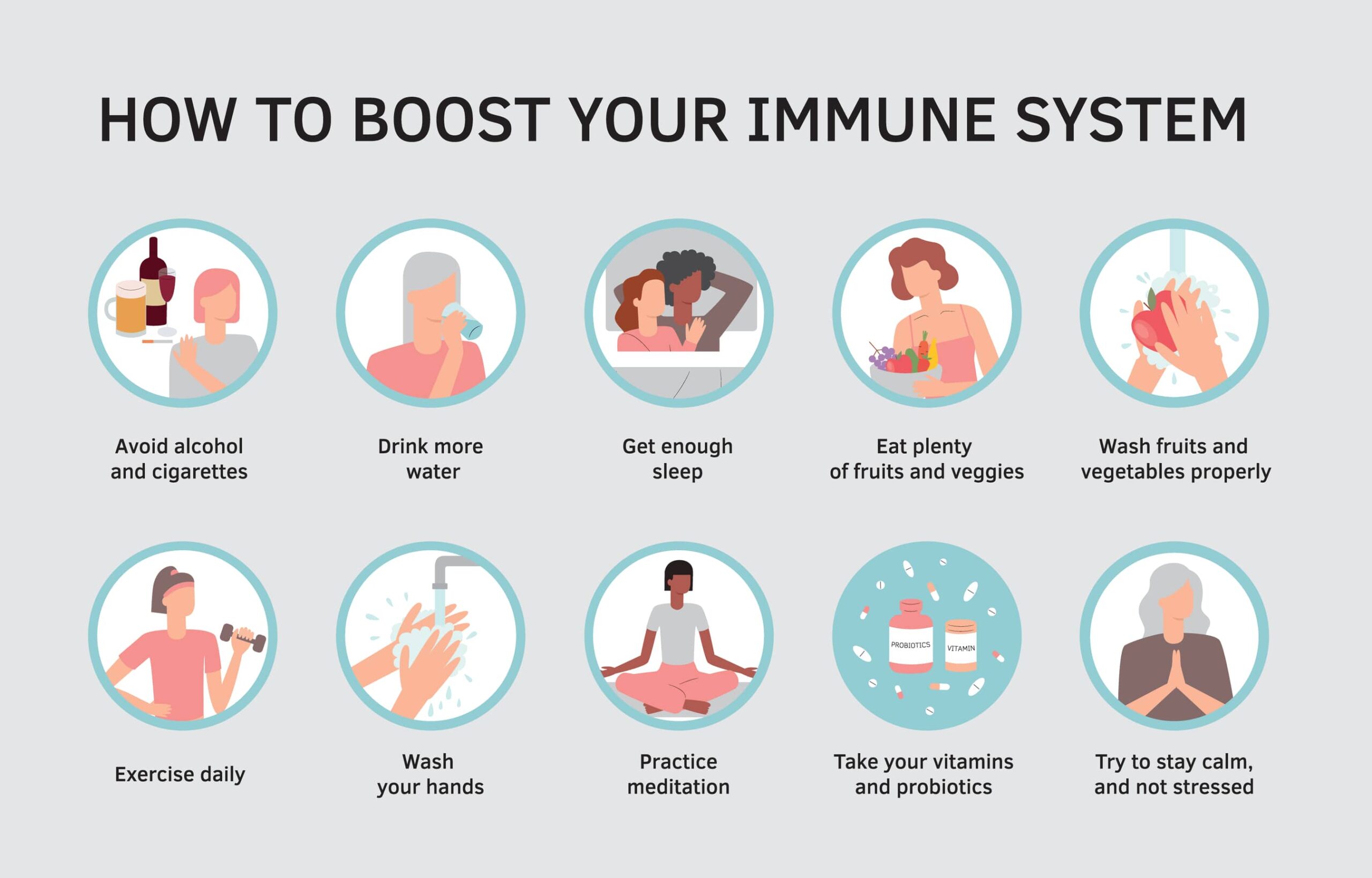
Boost your immune system during flu season
10. What are the flu test kits for home use and how effective are they?
As of 2025, at‑home flu test kits have become available in some places. They help quickly tell influenza apart from a cold or COVID‑19, supporting early treatment and isolation. However, their availability, approval status, and accuracy still vary by country.
| Rapid Antigen Test | Molecular Test | |
| Technology Principle | Detects viral surface proteins (antigens) | Detects viral genetic material |
| Sensitivity (Accuracy) | Moderate (about 60~80%; more accurate when symptoms are obvious) | High (>90%, close to clinical‑grade accuracy) |
| Testing Time | 10~20 minutes | 20~30 minutes |
| Features | Cheap and fast, but prone to false negatives, especially early infection or when viral load is low | More accurate and suitable for key decisions such as starting antiviral treatment |
Noted: For high-risk individuals, a lab-based PCR test remains the most reliable option.
Regardless of home test result, seek medical care immediately if you have:
- Difficulty breathing
- Chest pain
- Fever lasts 3 more days
- Worsening symptoms after initial improvement
- High-risk status such as young children, elderly, pregnant, and chronic diseases
11. Why do people often catch a cold or flu after traveling?
Getting sick after a trip is common, not just because of “getting chilled” or “weak immunity,” but due to several combined factors:
- Long flights: enclosed, high‑risk environments.
- Jet lag and poor sleep: weaken your immune system.
- Exposure to new virus strains: your body hasn’t encountered.
- Busy itineraries: fatigue and stress make infection easier.
- Irregular meals and low hydration: reduce immune resilience.
- Post‑trip relaxation: once you unwind at home, incubating viruses may cause symptoms.
Most post‑travel illnesses are common colds with mild symptoms such as runny nose and sore throat. If you develop high fever, severe body aches, or extreme fatigue, think of influenza especially during flu season, seek medical care promptly and inform your doctor about your travel history.
, caused by influenza viruses, is more severe, spreads rapidly, presents abruptly, and carries a significant risk of complications...)
