 English
Busting Common Myths About Stress
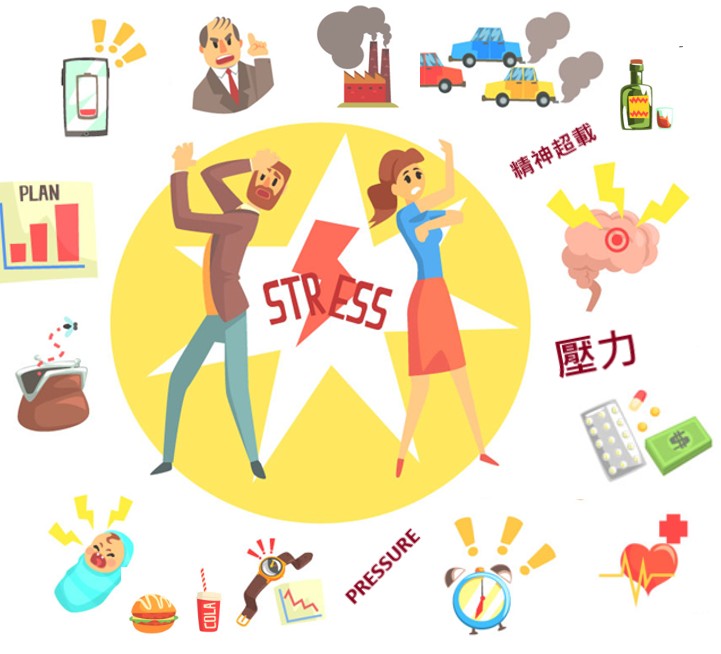
Knowing the truth about stress can help you feel less ashamed, treat yourself with more compassion, and choose healthier ways to manage stress.
MoreToday, health advice is easy to access—but many widely shared claims are incomplete or misleading, and some can even pose health risks. This section clarifies the facts behind popular beliefs and helps distinguish reliable guidance from common myths.
Knowing the truth about stress can help you feel less ashamed, treat yourself with more compassion, and choose healthier ways to manage stress.
More
There are many misconceptions about influenza, which may lead people to underestimate its severity or make decisions that are harmful to their own health and to public health. This section provides common questions and answers about the influenza.
MoreA cough is only a symptom, not a disease. Coughs can make your throat feel scratchy, disrupt your sleep and make it difficult to rest. You need to know some facts before looking for cough relief.
MoreMenopause usually happens between 45-55 years of age, and should be considered a transitional phase in a woman's life. Women during menopause have to face many new challenges, particularly in the area of health. As the changes that bring menopause are associated with a decline in physical functioning, the body…
MoreUnlike other disorders, headache diagnosis is typically based on a person's medical history and his descriptions on the signs and symptoms, clinical tests are not helpful. If your headaches are recurrent or persistent, you have to recall and organize your headache history, describe the headache symptoms and characteristics as completely…
MoreMany people think that sleep is a passive and unchanging process. In fact, the physical body rests during sleep, but the brain remains active. There are two basic states of sleep, rapid eye movement (REM) sleep and non-rapid eye movement (NREM) sleep, which the brain organizes in a regular and…
MoreHypertension is the leading cause of cardiovascular diseases worldwide, and the problem is still growing. However, hypertension is a widely misunderstood medical condition, even though a large population is living and struggling with it, many people are not knowledgeable or aware of what to do. Education and awareness are key…
MoreHypertension is an easily detected and usually controllable condition. However, there are too many misconceptions about hypertension treatment, the confused messages interrupt patients to follow treatment plans persistently, and affect their determination of changing the way they live, greatly put them at risk of serious cardiovascular complications.
MoreCommon FAQs about disease development, treatment methods, herbal usages and diagnosis in traditional Chinese medicine.
MoreCommon questions about the applications of Chinese herbs.
MoreCommon questions about the properties, selection, combination, and other principles of herbal applications of Chinese medicine.
More