 English

Skin itching always makes you want to scratch for relief, which is a natural response of the body. The itching can be widespread or limited to an area of the body, with or without a rash, for a short while or a long period of time. Itching is the most common symptom of skin problems, because of its numerous causes and presentations, itchy diagnosis and treatment can be a clinical difficulty in some cases.

Different people tolerate different amount of itching.
People vary in how much itching they can tolerate. Itching often feels worse when the skin is warm or when there are few distractions, such as at night. Although scratching may provide temporary relief, it can further irritate the skin and make the itching worse. This creates an ongoing “itch-scratch cycle,” in which scratching leads to more itching and more scratching. Therefore, it is best to avoid scratching whenever possible.
People with chronic itching often develop skin damage, scarring, or secondary infections due to repeated scratching. If the itching persists, becomes more severe, or is accompanied by other symptoms, it is important to seek professional medical advice.
Causes of Itchy Skin
The medical term for itching is pruritus. Some people are prone to have it, for example the elderly and pregnant women, and those with dermatitis, allergies, diabetes, and stress. People scratch for different reasons; doctors will identify the underlying problems and then treat with appropriate methods. Possible causes of itchy skin include:
- Emotional upset: stress and anxiety may induce itching; they can also aggravate itching due to other causes.
- Dry skin: often results from environmental factors such as cold temperature, low humidity, central heating, washing or bathing too much.
- Skin conditions: dermatitis, eczema, psoriasis, hives and dermatographism (red itchy bumps caused by pressing on the skin). The itching usually accompanies with redness, bumps or rashes.
- Infections: measles, pinworm, lice, fungi and scabies.
- Irritations or allergies: insect bites, poison plants, wool, perfumes, dyes or certain chemicals.
- Internal diseases: such as liver and kidney diseases, anemia, hyperthyroidism, leukemia and lymphoma.
- Nervous disorders: diabetes, multiple sclerosis, shingles and pinched nerves.
- Drugs: anitbiotics, antifungual drugs and narcotic painkillers.
- Pregnancy or menopause: the itchy skin can be due to hormonal changes.
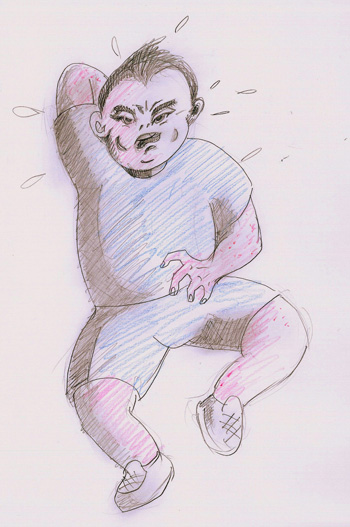
People with generalized itching and accompany with other symptoms should be alert, and treated promptly.
Itchy Skin Management and Prevention
Most often, people with Itchy skin are not serious and tend to be temporary. Proper skincare is essential to relieve itching, protect as well as avoid further damage to the skin. Some practical measures are as below:
- Reduce the frequency and time of bath, so that the body surface has adequate skin oils for lubrication.
- Use lukewarm water when bathing, hot water will further irritate the skin.
- Select mild soaps or chemical cleansers, and be sure to rinse off thoroughly.
- Apply sunscreen frequently when the itching is associated with sunburn.
- Frequent apply creams or lotions when the skin is dry, especially right after bath.
- Wear soft and loose cotton clothing, wool or synthetics may cause irritations in some people.
- Select mild and unscented laundry detergent, and use extra-rinse cycle for cloth washing.
- Avoid substances that are known to cause your skin irritating, such as nickel, jewelry, perfume, and cleaning products.
- Cover the affected skin region with bandages and dressings can help protect the skin and prevent scratching, especially at night.
- When the itchy feeling is serious, apply a cool wet towel or some ice over the itchy area.
- Find a suitable OTC anti-itch product, and read the label carefully before using.
- Reduce stress, adequate sleep and regular exercise.
Generalized itching can sometimes be difficult to manage. When physical examinations and laboratory tests fail to identify an underlying cause, Traditional Chinese Medicine (TCM) may offer an alternative approach to help relieve the symptoms, as TCM has rich experiences in treating skin problems.

